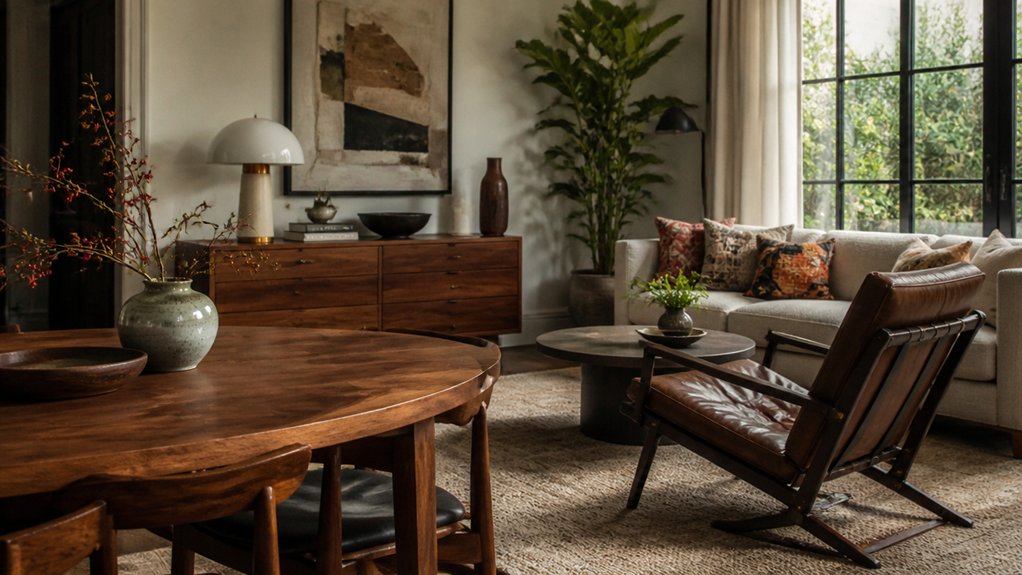
Some furniture deserves a longer commitment than other pieces. When you furnish a home, you’ll get more value by investing in items that support daily comfort and hold up over time, while keeping trend-driven choices flexible and affordable. The distinction isn’t always obvious, though: a sofa’s fabric, a chair’s construction, or a décor item’s cost can change what’s worth splurging on.
Spot Furniture Investment Pieces and Trend Buys
How do you tell an investment piece from a trend buy? Start with the role each item plays in your home. Investment pieces anchor a room, solve a lasting need, and suit your routines and aesthetic beyond a single season. You’ll likely use them often, so weigh their comfort, scale, and versatility against the price.
Trend buys, by contrast, bring a current color, silhouette, or mood into your space. They can make a room feel fresh, but their appeal may fade as your taste changes. Before you buy, ask whether you’d still want the item without its trend appeal. Consider how easily you can move, restyle, or replace it, too.
Spend more where function and enduring personal value meet; keep trend-driven choices selective and budget-conscious.
Choose Durable Materials That Last
Durability begins with materials suited to how you live. Before you buy, consider daily wear, sunlight, spills, pets, and cleaning habits. Solid hardwood, well-constructed plywood, and tightly woven upholstery often withstand years of use better than thin veneers or delicate fabrics. For stone, compare porosity and maintenance: sealed granite resists stains, while marble needs more attentive care. Check construction, too. Reinforced joints, quality hardware, and replaceable components can matter as much as the surface you see.
Choose durable materials without assuming every premium finish deserves a higher price. Request fabric abrasion ratings, inspect seams, and learn what care a material requires. Your best longevity focused choices balance resilience with repairability and a look you’ll value beyond a passing trend. That approach helps you invest wisely while leaving room for lower-cost accents you can update.
Splurge on Furniture You Use Every Day
Spend more on furniture that supports your daily routines, such as a sofa, mattress, or dining chair. These pieces shape how comfortably you live, so assess them by investment criteria that go beyond appearance. Consider how often you’ll use each item, whether its dimensions suit your space, and how well its construction supports your body. Test a sofa’s seat depth and firmness; check a mattress for pressure relief and proper support; sit in a dining chair long enough to judge its comfort. Prioritize daily practicality, repairable construction, and warranties that reflect the maker’s confidence. A higher price makes sense when a piece improves everyday comfort and holds up to frequent use. Choose thoughtfully, and you’ll get lasting value from furniture you rely on rather than paying for features you rarely need.
Save on Trendy Décor and Easy-to-Change Accents
Keep your budget flexible for décor trends and accents that are easy to swap out. Use affordable accents to bring current colors, patterns, and materials into your home without committing to them permanently. Try a patterned cushion, a sculptural lamp, or a small piece of art; each can refresh a room and move with you if your taste changes.
Reserve larger purchases for timeless finishes that won’t feel dated when a trend fades. You can also experiment with removable wallpaper, inexpensive throws, or seasonal table linens, then store or replace them as needed.
Before buying, consider whether an item works with what you already own and whether you’ll enjoy it beyond the moment. That discernment lets you express your style while keeping lasting furniture and flexible décor in balance.
Set a Practical Furniture and Décor Budget
A practical budget starts with what you need, not what’s trending. List essential pieces, measure your rooms, and set a total spending limit before you shop. These budgeting basics help you prioritize a supportive sofa, durable dining chairs, or quality lighting over decorative extras. Decide which items deserve investment based on daily use, construction, and how long you expect to keep them.
Next, divide your budget by category, leaving a reserve for delivery, assembly, and unexpected costs. Compare materials and warranties, not just price tags; a well-made piece may cost less over time than a quick replacement. Use cost saving strategies selectively: buy floor models, shop seasonal sales, or choose secondhand accents. Keep trend-driven purchases modest and easy to change. Track every expense, and adjust your list before overspending—not after.