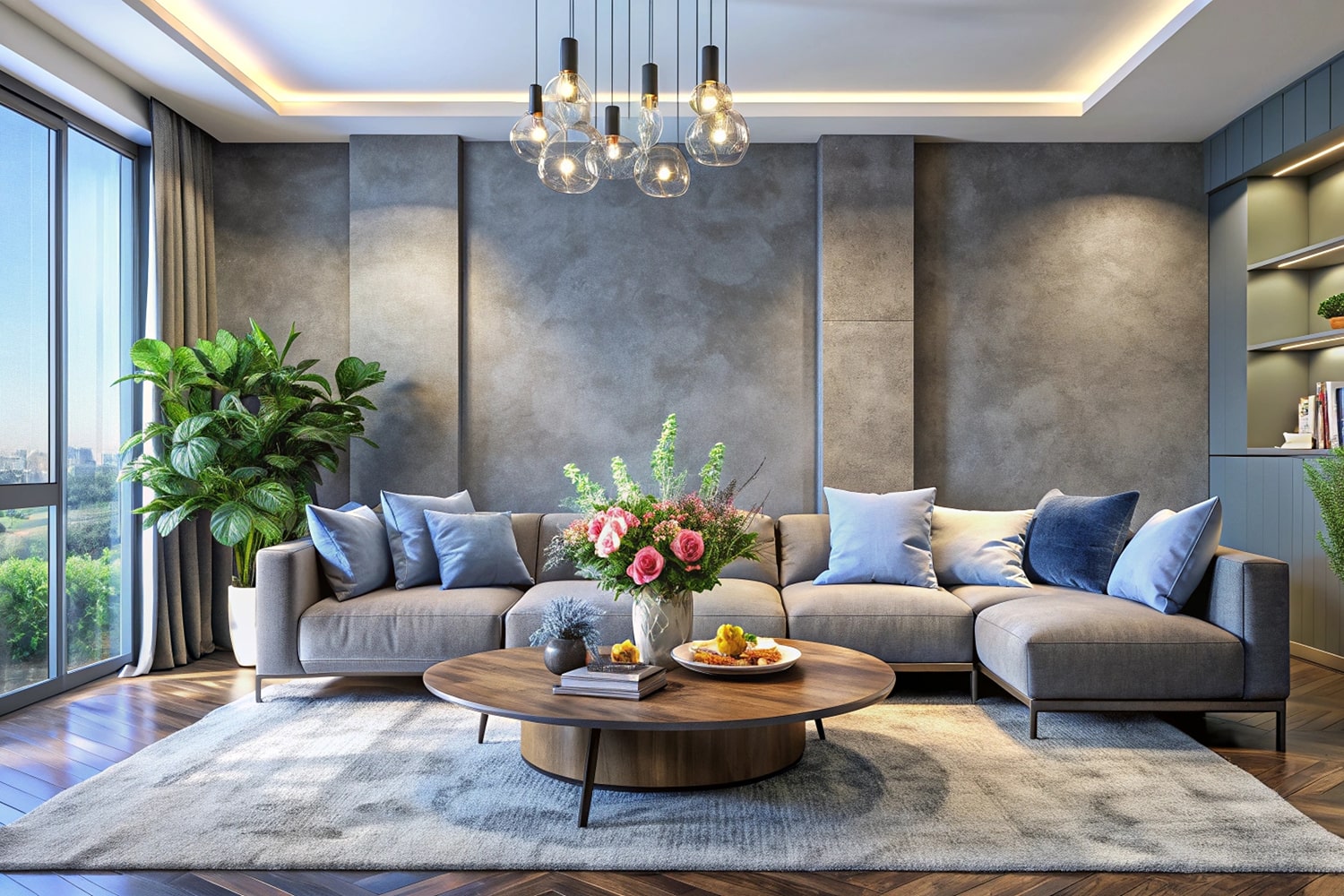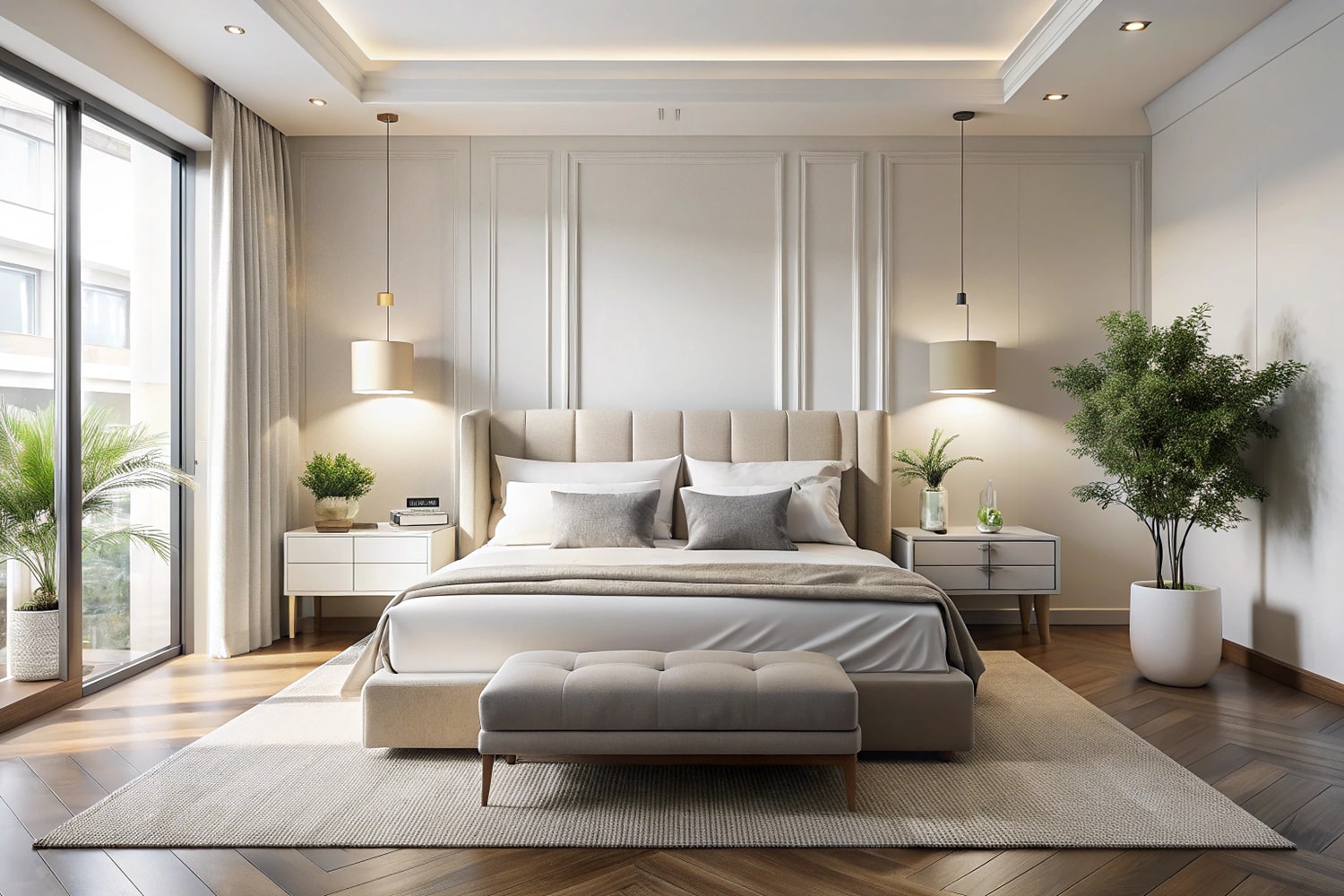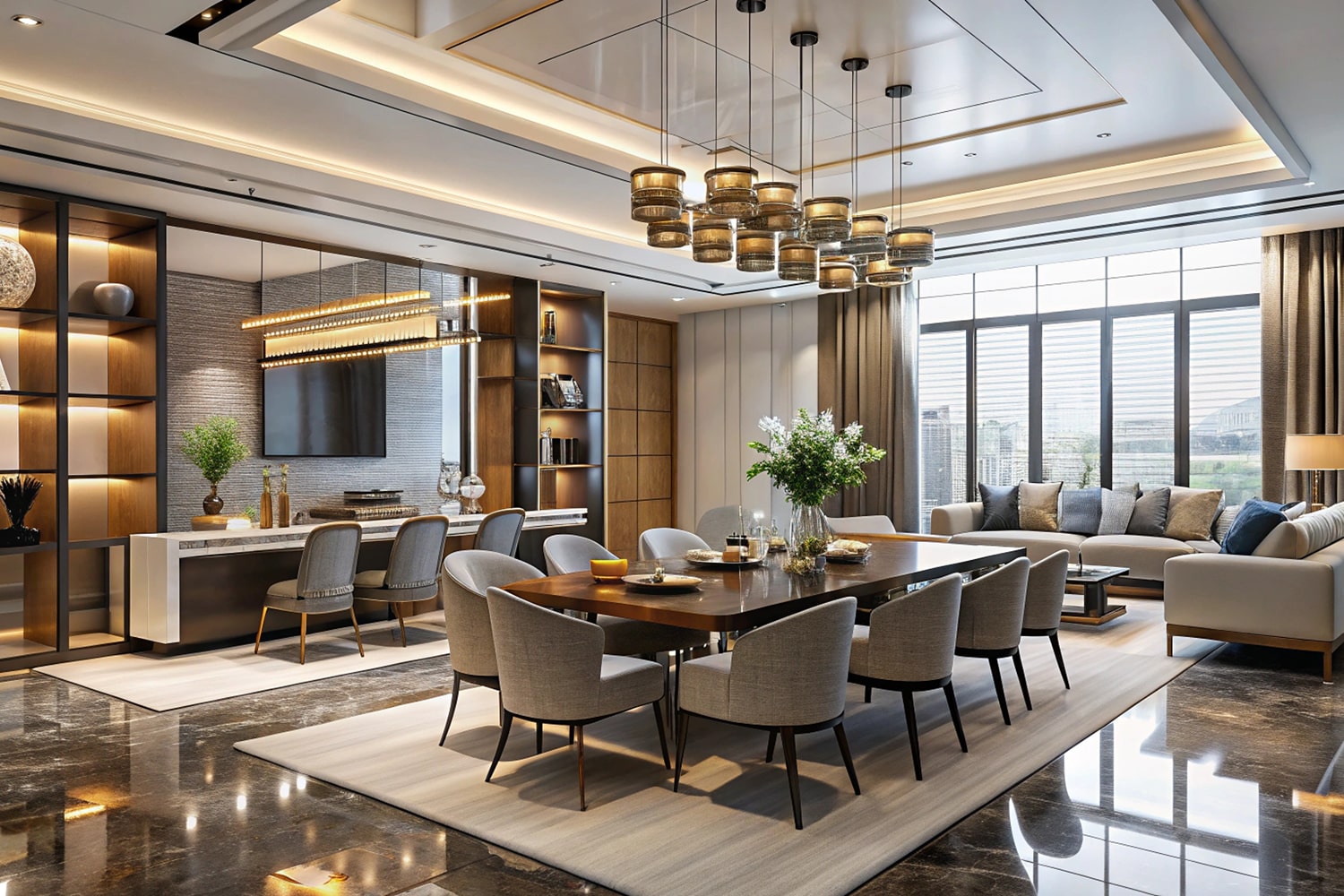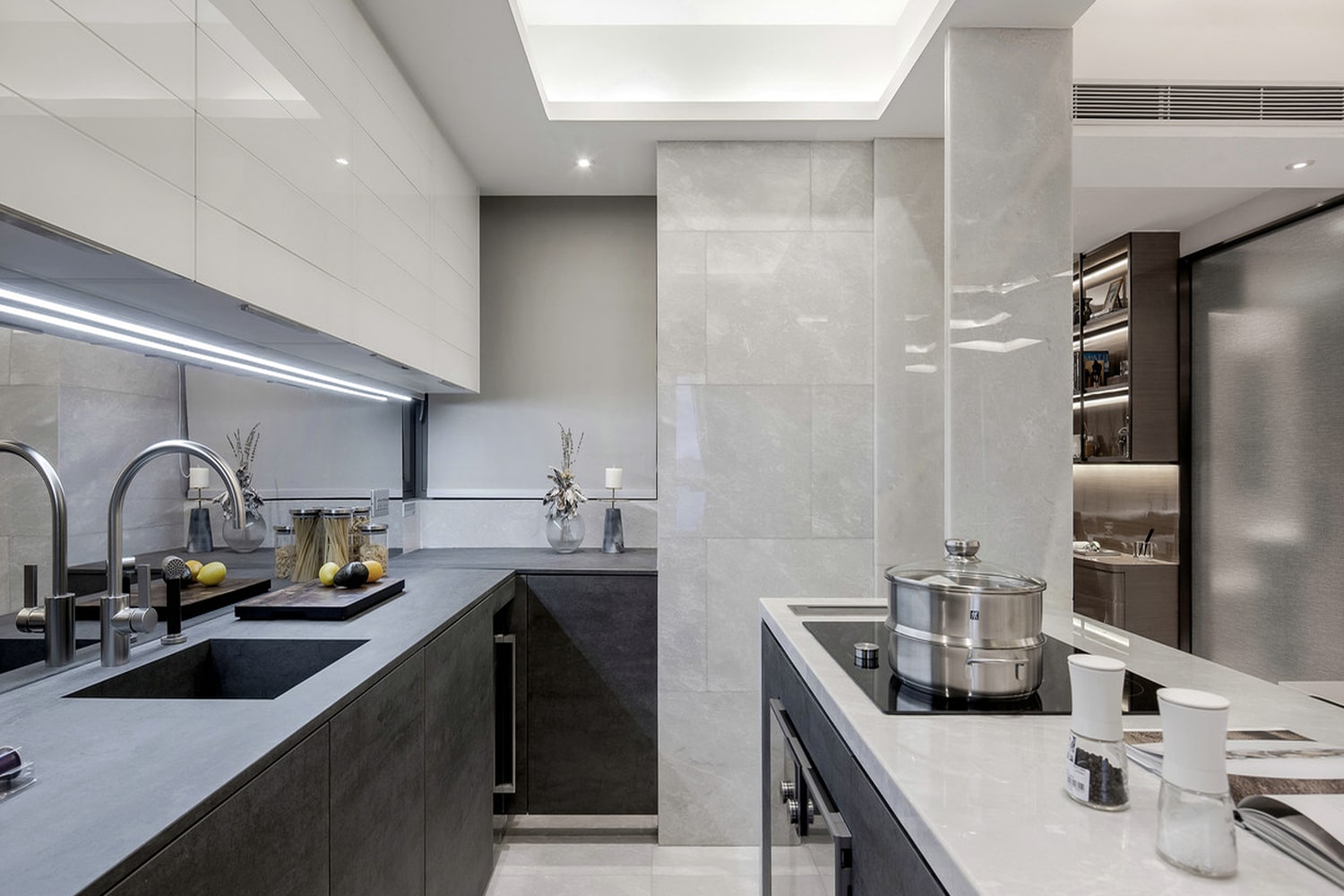
You might not realize that light can make the same fabric feel either crisp or inviting. To create a warm, cohesive home, you’ll need to layer ambient, task, and accent lighting with tactile materials such as linen, wool, timber, and stone. Warm bulbs and dimmers help you shape the mood, while thoughtful placement brings out texture without adding clutter. The key is knowing which layers to introduce—and where.
Plan Warm, Layered Lighting for Your Home
To create a warm, welcoming home, plan lighting in layers rather than relying on a single overhead fixture. Start with ambient illumination that fills the room, then add task lighting where you read, cook, or work. Use accent lights to highlight artwork, architectural details, or a favorite collection. This lighting strategy gives you control over both function and mood, letting you adjust the room for different activities throughout the day.
Consider how light interacts with surfaces. A soft glow across tactile fabrics, wood, and textured walls creates depth without making the space feel busy. Place lamps at varied heights, and direct some light toward walls or ceilings to soften shadows. Thoughtful placement builds ambiance and texture, while dimmers let you shift the atmosphere as your needs change. Plan each layer around how you use the room.
Choose Warm Bulbs and Fixtures for Each Room
Once you’ve planned the layers of light, choose bulbs and fixtures that suit each room’s purpose and palette.
In living areas and bedrooms, select bulbs around 2700 kelvin for a soft, inviting glow; use dimmers to adjust brightness as activities shift.
In kitchens and bathrooms, choose warmer-neutral bulbs near 3000 kelvin for clear task lighting without a stark cast.
Check color rendering, too: a high CRI helps furnishings and finishes appear true to life.
Your warmth perception depends on both color temperature and surrounding surfaces, so test bulbs in place before committing.
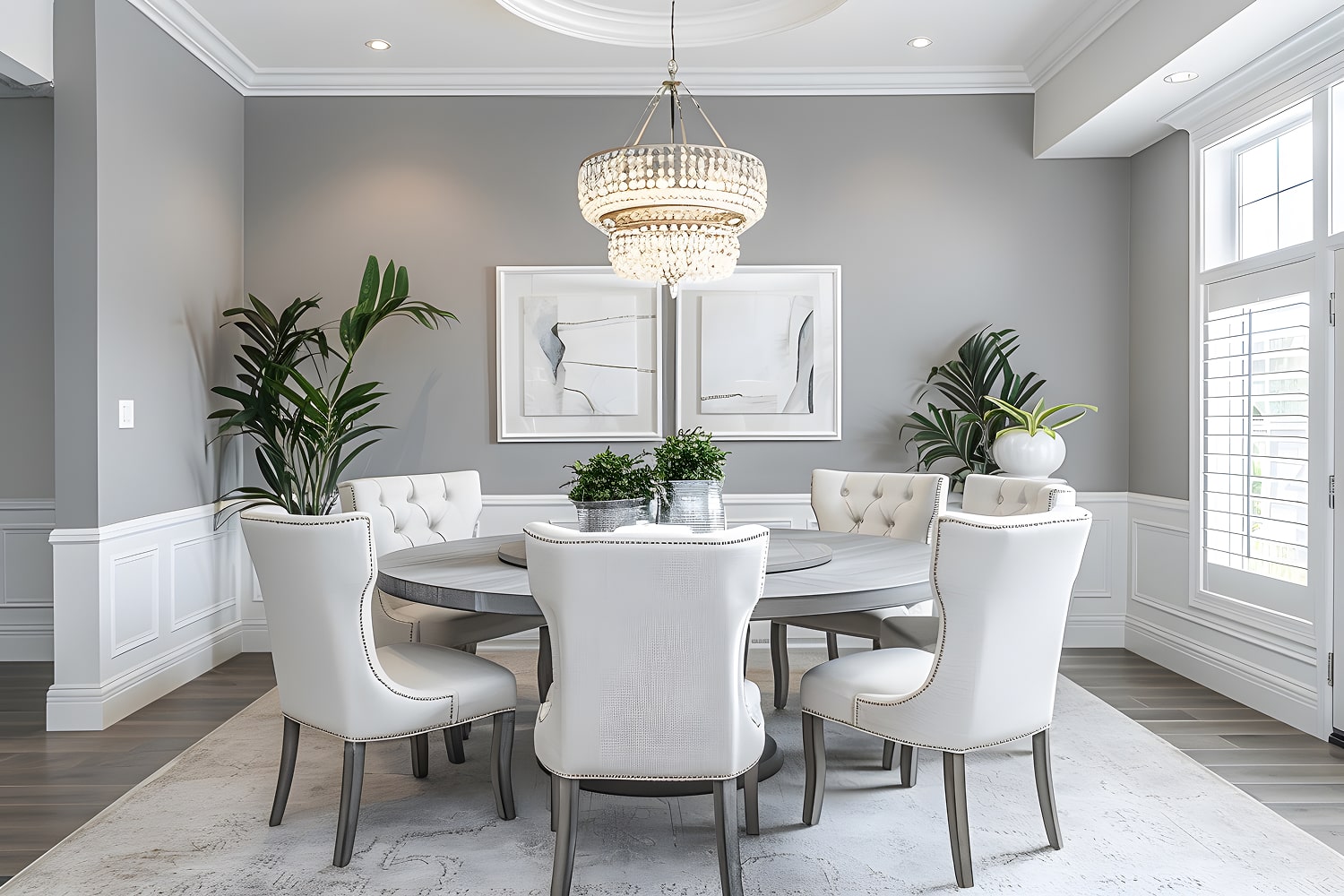
Match fixture scales, ceiling height, and room size: a generous pendant can anchor a dining area, while compact sconces suit narrow passages.
Choose finishes and shapes that complement your palette, and direct light where you need it most.
Layer Wood, Linen, Wool, and Stone
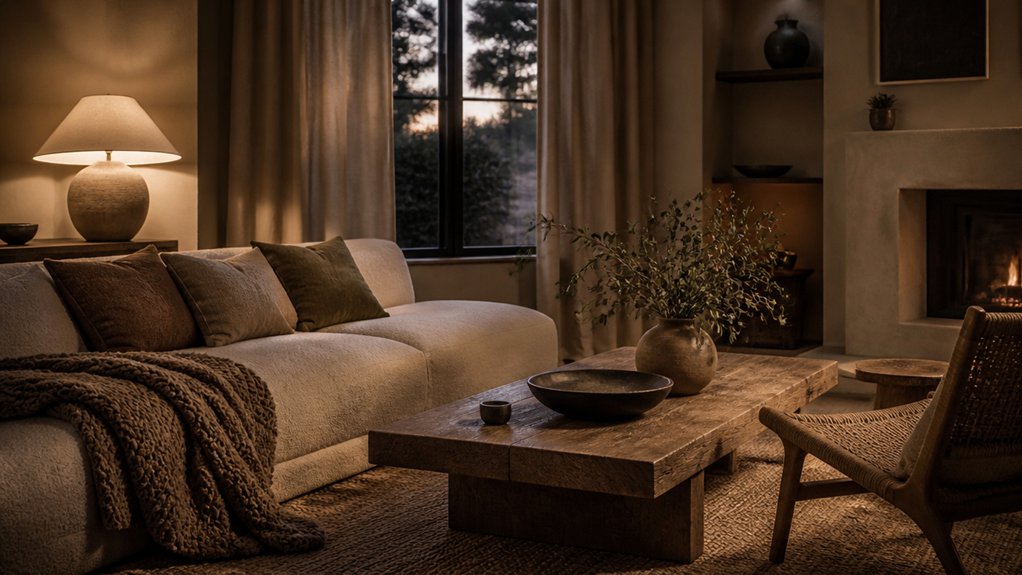
Layering wood, linen, wool, and stone gives a room warmth through contrast and touch. Pair a timber table’s visible grain with the cool, grounded character of a stone surface. Then introduce linen curtains or cushions to soften the harder finishes without hiding their natural detail. Wool throws and rugs add insulation, depth, and a welcoming hand underfoot. These layered textures work best when you vary scale and finish: combine smooth stone, open-weave linen, and nubby wool with carefully chosen wood tones. Use warm tones to connect the materials, not to make every surface match. Choose tactile upholstery in a durable weave, such as linen-blend fabric or wool, to give seating substance and comfort. Let each material retain its distinct character; the contrast makes your room feel composed, inviting, and enduring.
Combine Light and Texture Without Clutter
When light and texture share a room, give each a clear role so the space feels rich rather than crowded. Start with a calm foundation: choose a cozy color for walls or upholstery, then add a few materials that create tactile contrast, such as nubby wool beside smooth wood. Let lighting reveal those surfaces without competing with them. A shaded table lamp can soften linen, while a focused sconce can bring out stone’s natural variation.
Keep the palette and material mix edited. Repeat one texture in two or three places to create continuity, and reserve stronger patterns for a single focal point. Use dimmers to adjust brightness as the room’s needs change; layered light adds depth without requiring more objects. When each choice supports comfort and function, detail feels intentional, not cluttered.