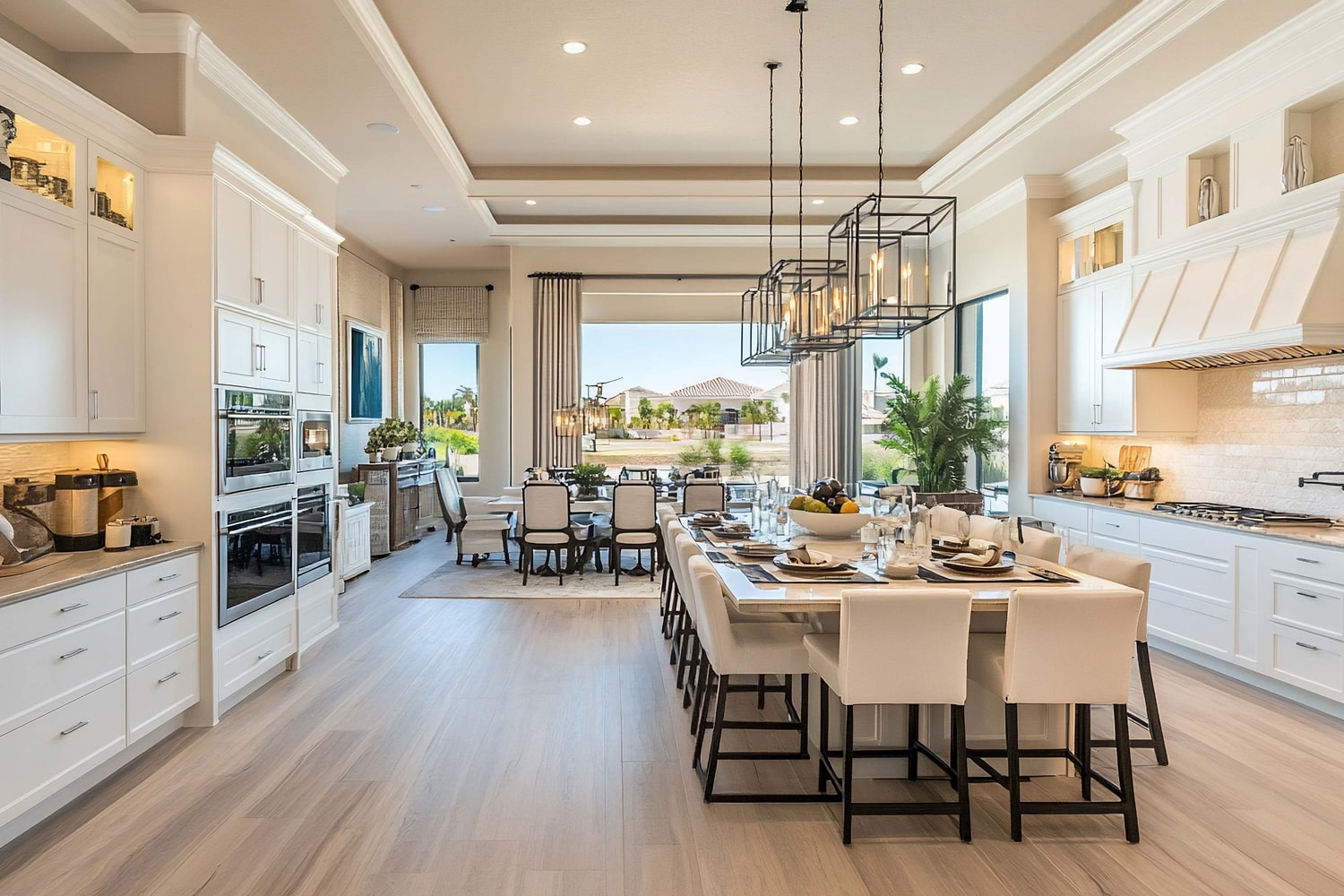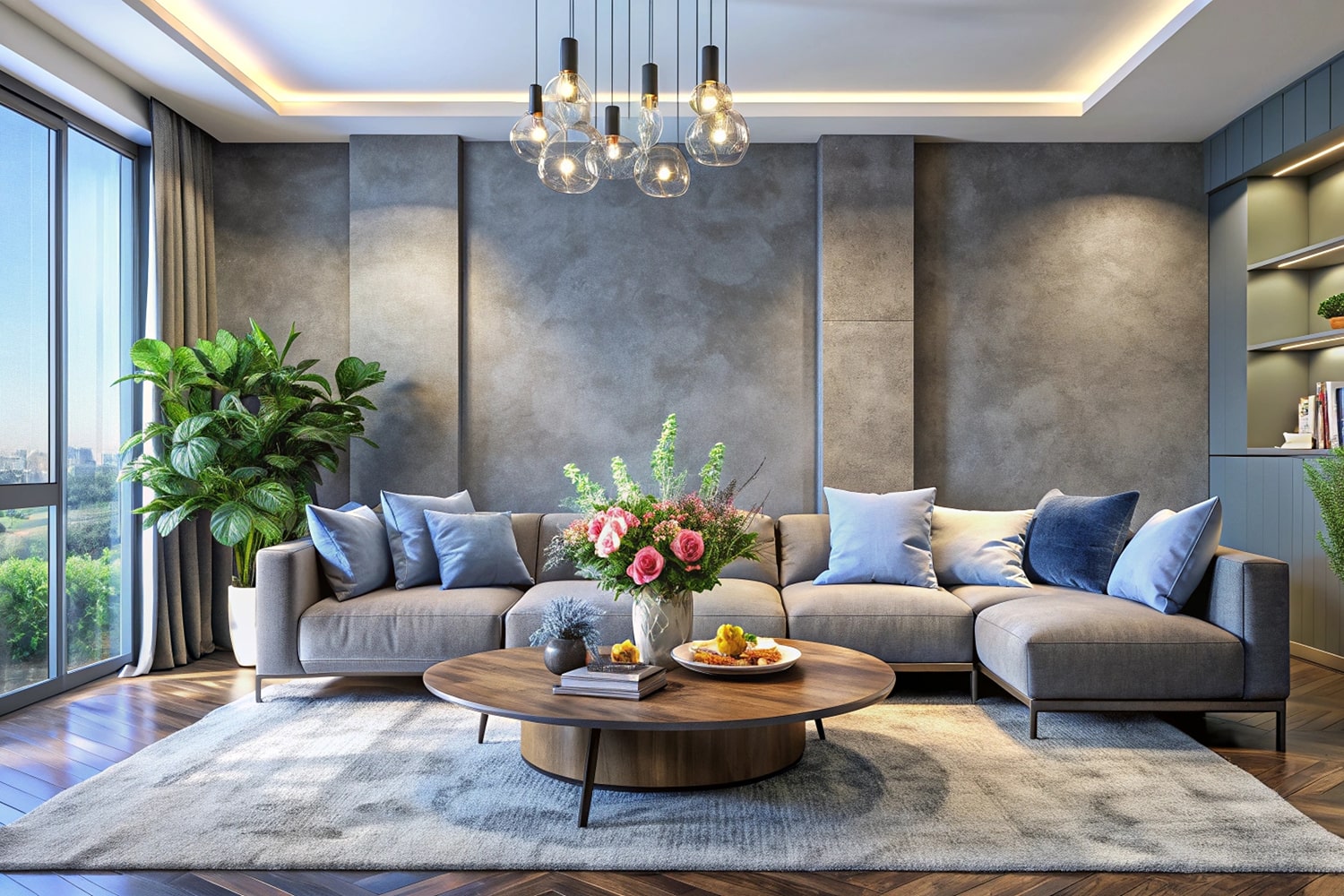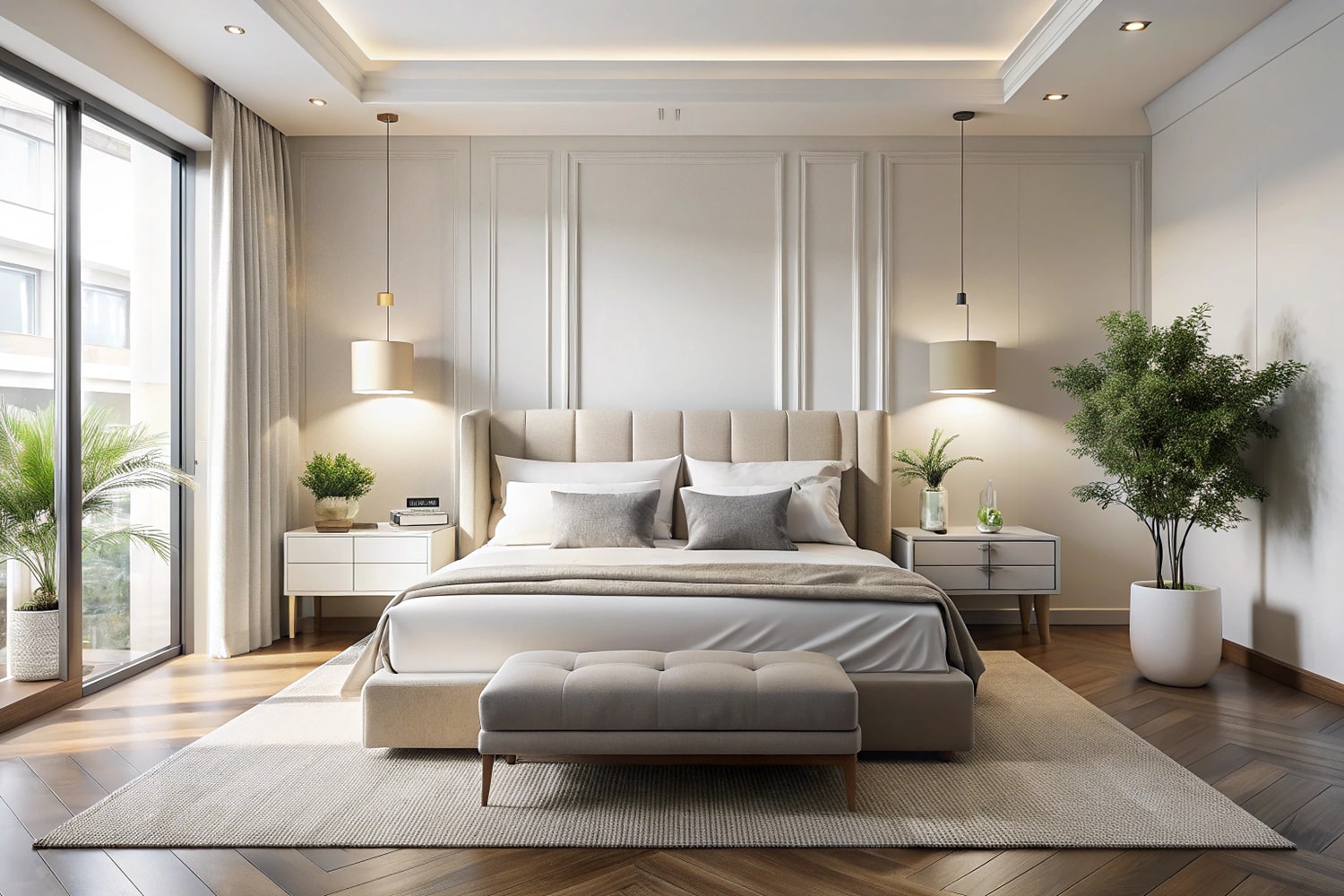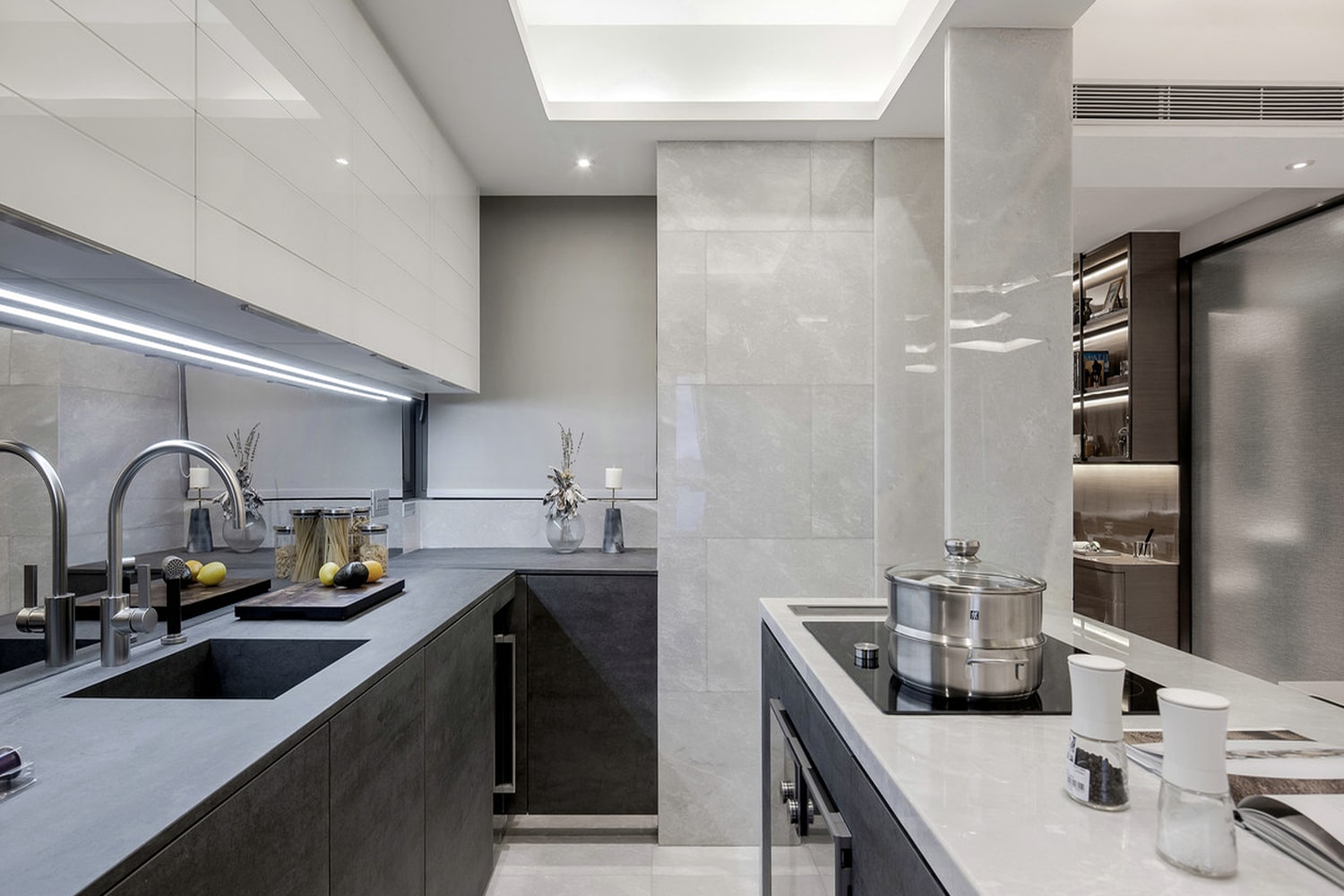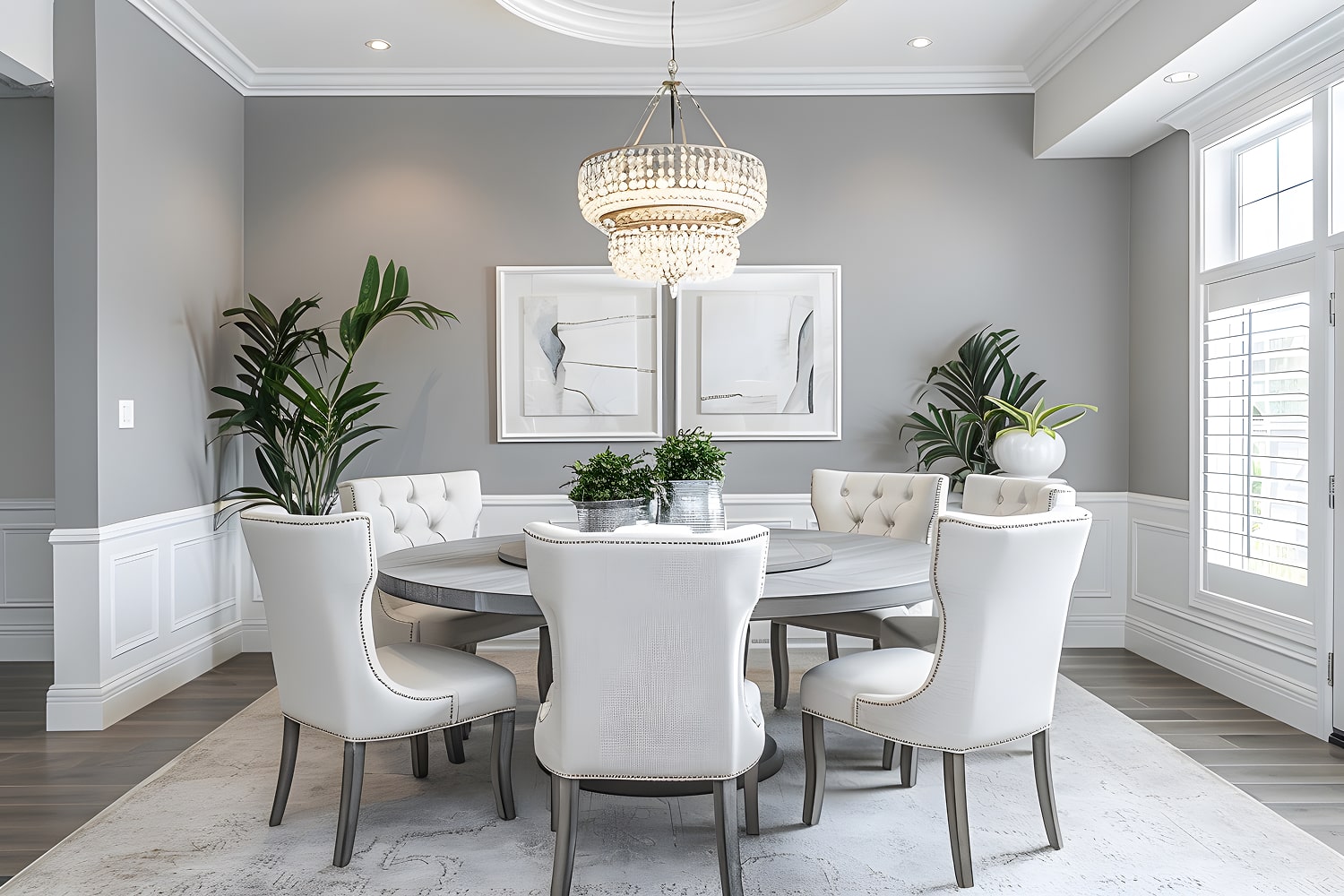
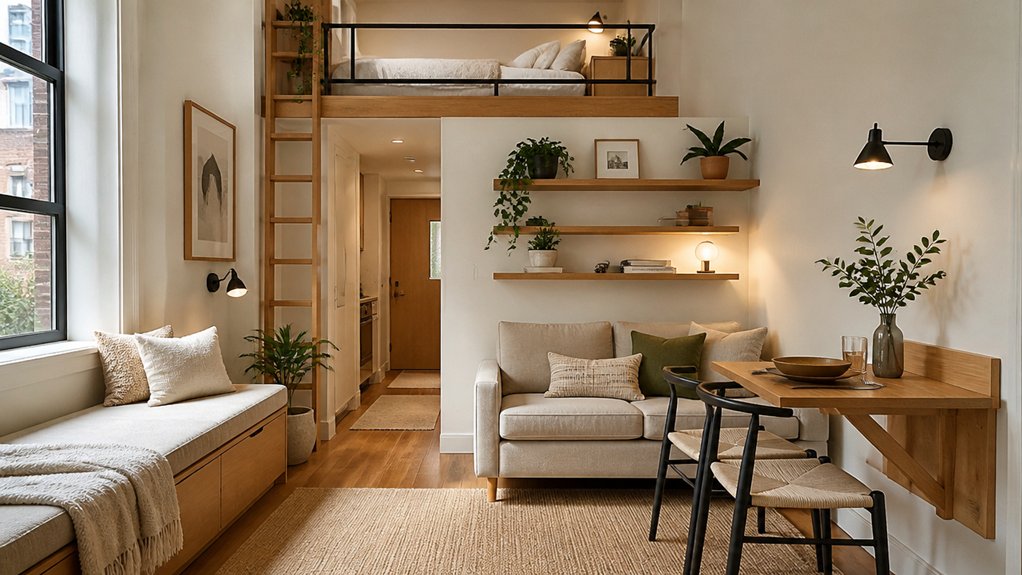
A compact home doesn’t have to feel cramped or limit how you live. When you plan around your daily routines, you can make each area work harder without sacrificing comfort or style. Flexible furniture, clear pathways, and well-placed storage help small rooms feel more open and useful. The key is knowing which changes will make the biggest difference—and where to start.
Plan Your Compact Home Around Daily Routines
How do you move through your home from morning to night? Track your habits before choosing what each area should do. Note where you dress, eat, work, unwind, and store everyday essentials. This simple audit helps you plan around real needs instead of copying a layout that doesn’t fit your life.
Think in flexible zones, not single-purpose rooms. A drop-leaf table can serve as a breakfast spot, desk, or craft surface; a storage bench can hold shoes and offer extra seating. Keep frequently used items close to the places where you need them, and give occasional tasks compact, easy-to-reach supplies. When designing routines, pair related activities so one setup supports several moments in your day. Place work or reading where you can enjoy maximizing daylight, then adapt that spot for evening use with a focused lamp. Revisit your plan as your schedule changes.
Arrange Small Rooms for Better Flow and Light
A small room feels larger when you can move through it easily and daylight reaches beyond the windows.
Keep the main route clear, and arrange zones along the edges so you can cross the room without detours.
Place desks or dining areas near windows to share natural light, then use mirrors opposite bright openings to bounce it deeper inside.
Choose cozy color schemes with pale, warm tones that reflect daylight while adding comfort.
For flexible separation, try multi purpose partitions such as open shelving or translucent screens; they define work and rest areas without blocking sightlines.
Let curtains hang high and wide, and keep window ledges uncluttered.
When you plan each boundary to filter light or support a daily activity, your room stays open, adaptable, and welcoming.
Choose Space-Saving Furniture With Built-In Storage
Once clear routes and bright zones are in place, choose furniture that earns its footprint twice. A storage bed can hold spare linens, seasonal clothes, or luggage, freeing your closet for daily essentials.
In the living area, pick an ottoman with a lift-up lid; it can serve as a seat, footrest, and discreet home for remotes or blankets.
A dining table with drawers keeps napkins and utensils close, while a drop-leaf design adapts to meals, work, or extra guests.
Look for built in storage that suits what you actually own, not compartments that invite clutter.
Measure each piece before buying, and check that drawers, doors, and lids open without blocking walkways.
These space saving choices help you keep useful items nearby while preserving room to move and relax.
Add Storage With Vertical Space and Unused Corners
Where can you add storage without crowding the floor? Look up and reclaim the overlooked spaces around you. Install vertical storage with slim shelves above desks, doors, and kitchen counters, keeping everyday essentials within reach while freeing valuable floor area. Use wall-mounted rails for cookware, hooks for bags, or a tall cabinet that draws the eye upward.
Turn corner nooks into useful, multifunctional features. Fit a triangular shelf beside your bed, add a compact bookcase to an awkward alcove, or build a bench with hidden compartments beneath a window. In the bathroom, mount corner baskets for toiletries; in the entry, hang a narrow organizer for keys and mail. Choose open shelving where you want an airy feel, and closed storage when you need visual calm. Secure tall units safely, and keep frequently used items at comfortable heights.