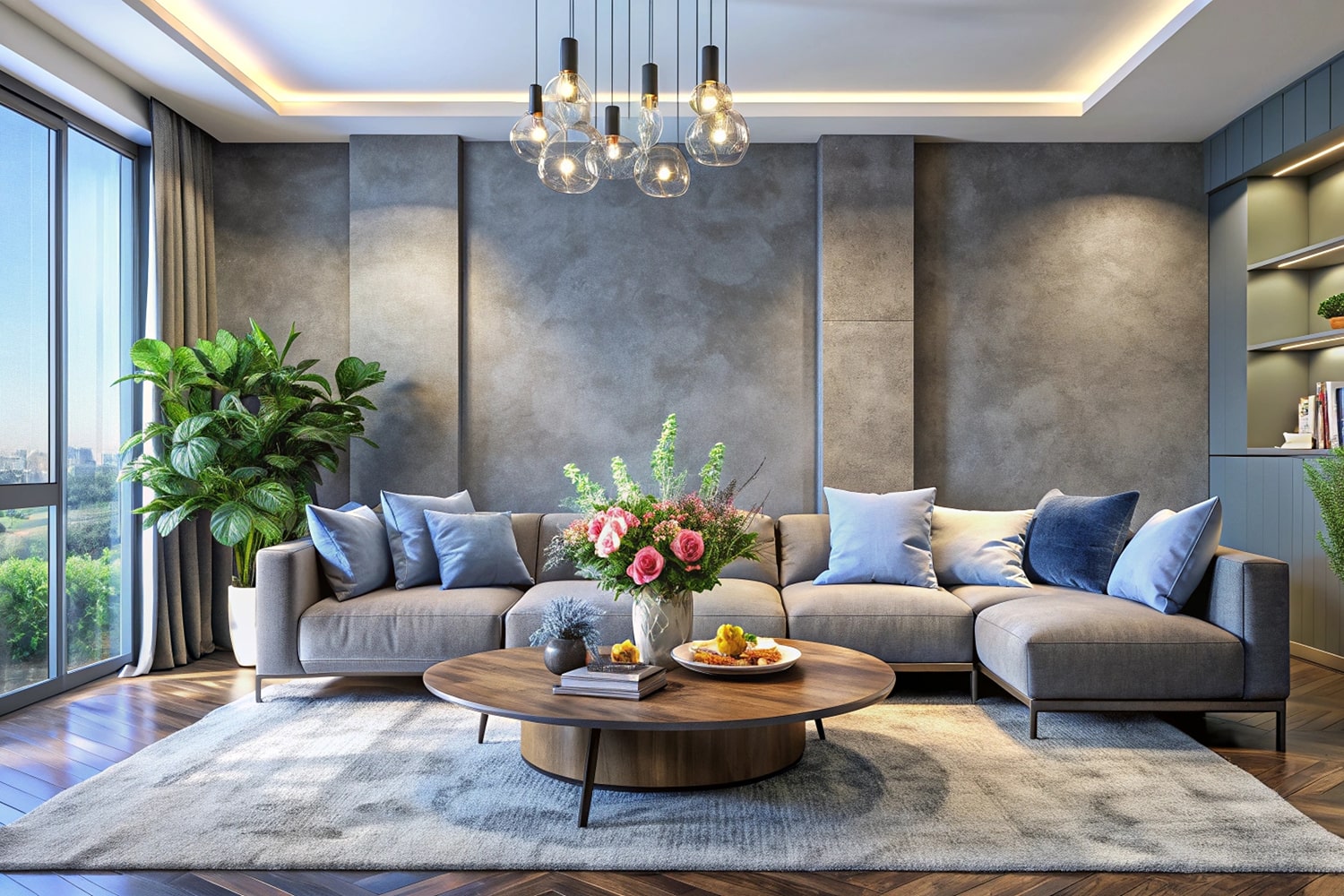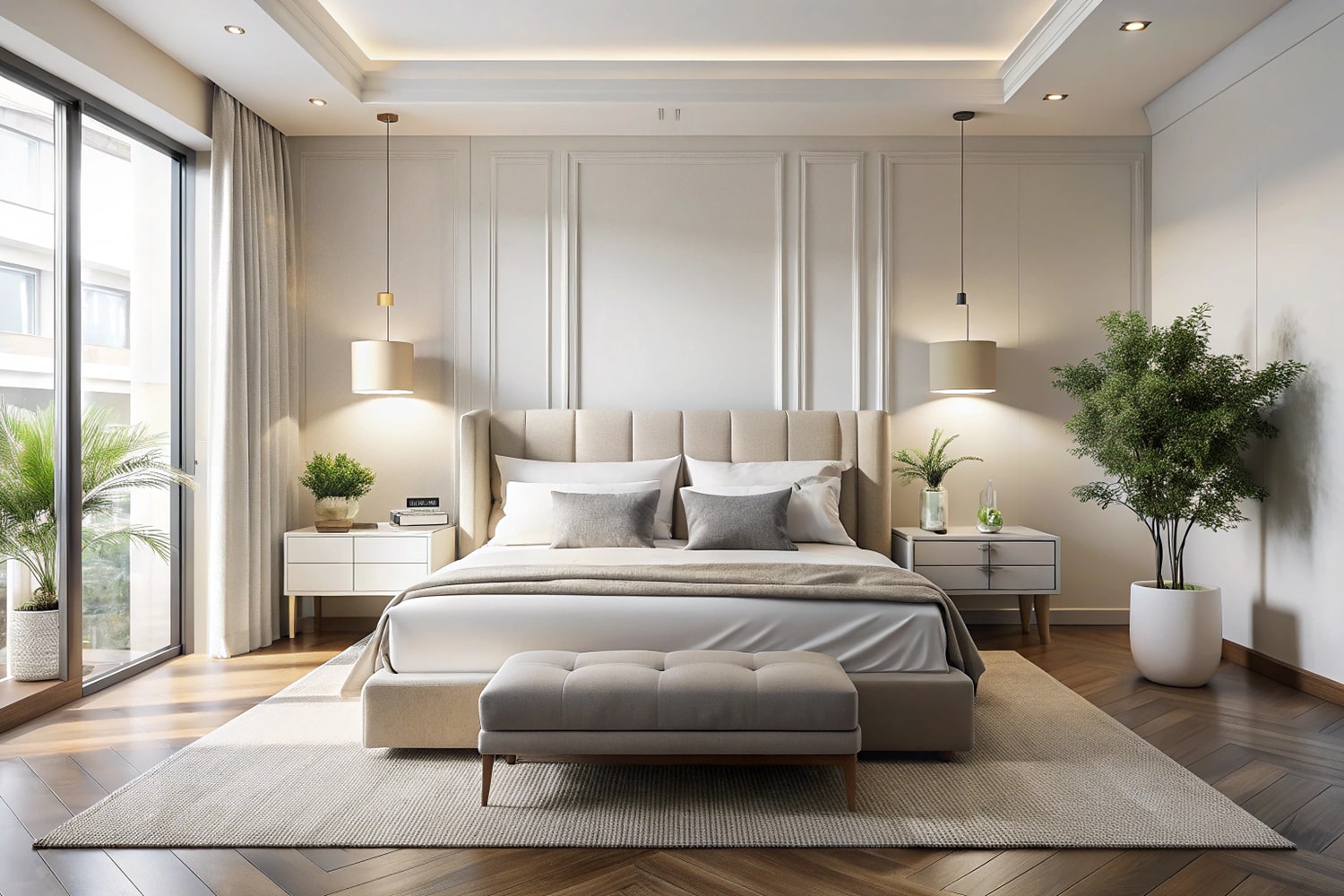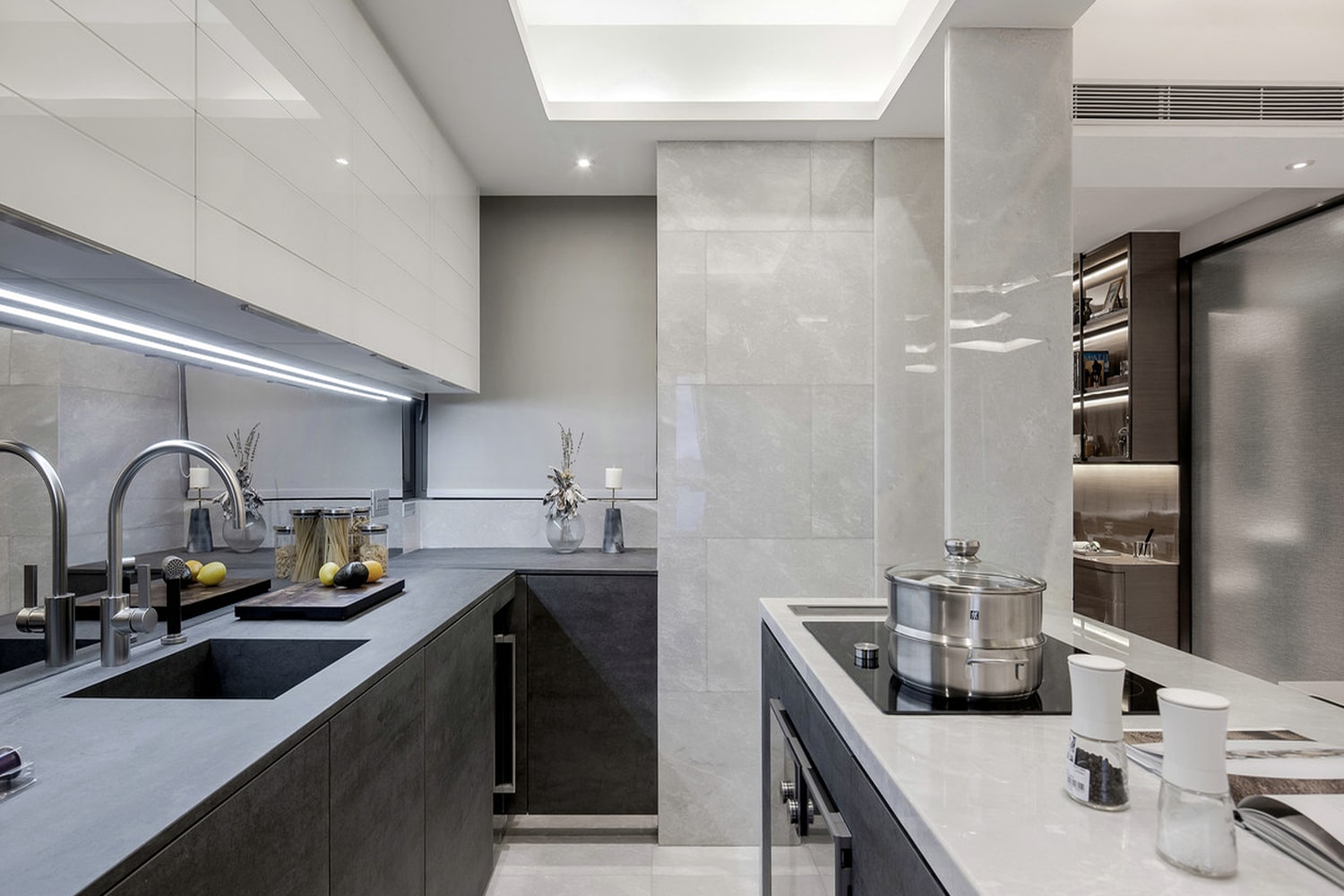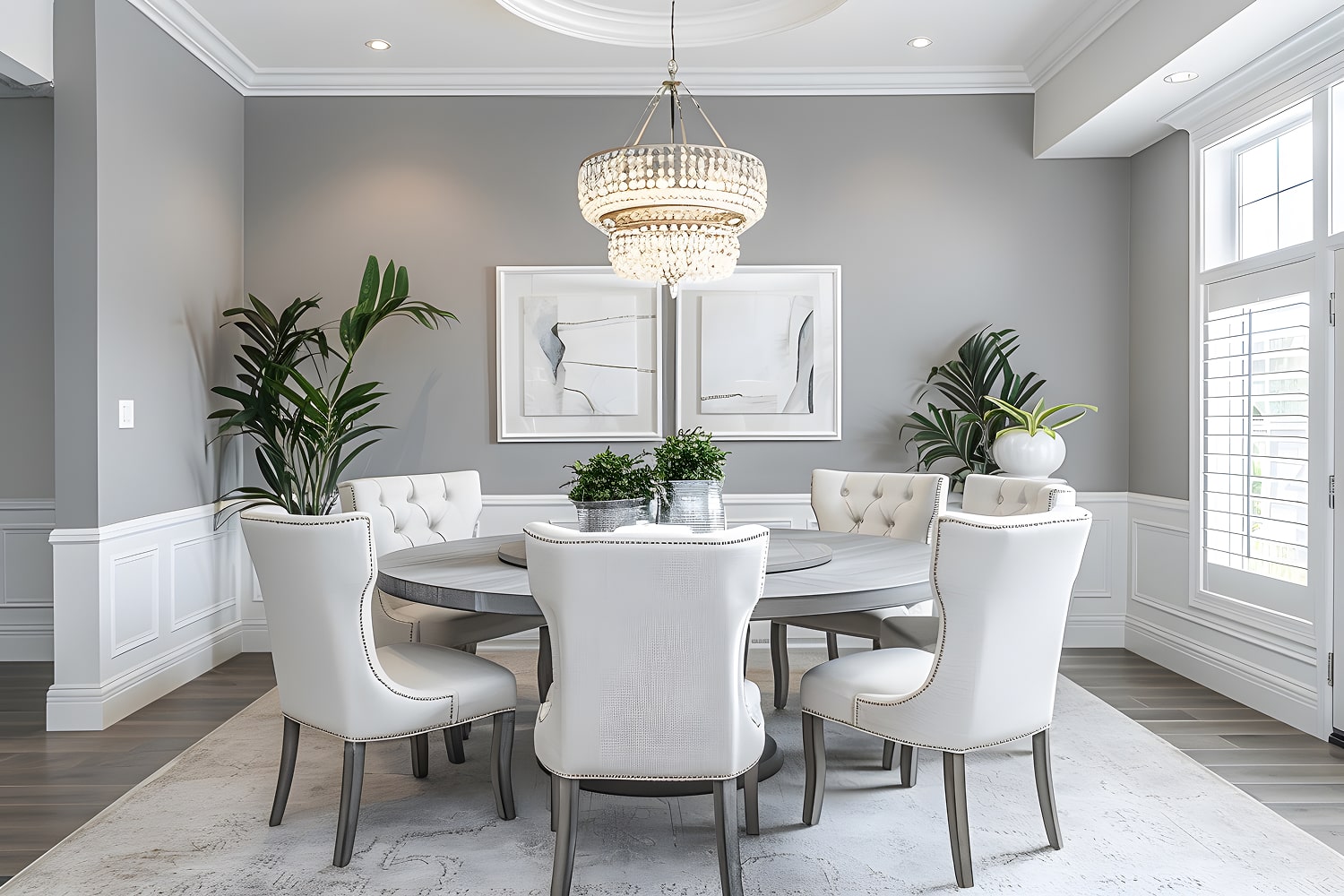
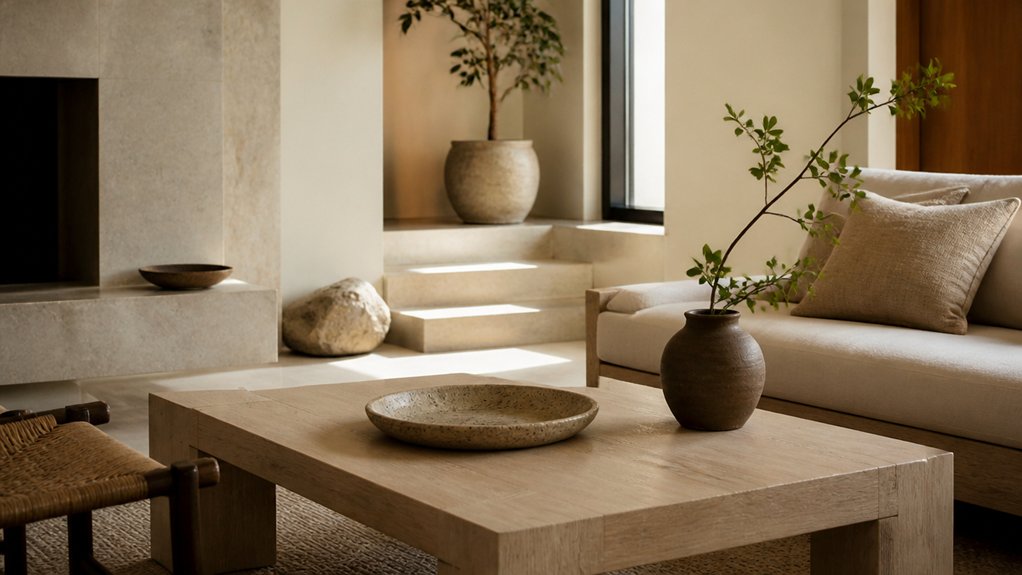
A calm, timeless home begins with a nature-inspired palette of warm whites and muted stone, grounded by restrained olive, clay, and deep brown. As you layer organic materials, let one texture lead and give quieter companions room to support it; thoughtful shifts in scale and finish keep the mix from feeling busy. Warm wood, soft linen, stone, and woven fibers can bring balance from room to room—but the key is knowing what to repeat, and what to leave out.
Start With a Calm, Nature-Inspired Palette
A calm, nature-inspired palette gives organic textures room to stand out without competing for attention. Begin with a quiet foundation of warm white, soft taupe, or muted stone. These shades reflect natural light and help your space feel settled rather than stark. Add depth through restrained accents drawn from the landscape: olive, clay, or deep brown can lend definition without overwhelming the room.
Consider how daylight shifts across your walls before choosing paint; a sample that looks balanced at noon may turn cool by evening. Let undertones guide your selections, keeping warm neutrals together or pairing cooler shades with care. Your calm palette should feel cohesive from room to room, not perfectly matched. Choose nature inspired textiles in complementary hues, so color supports the atmosphere you want to create.
Mix Organic Textures Without Cluttering the Space
When you layer organic textures, give each material room to register. Choose a few distinct surfaces rather than collecting every appealing finish: a nubby rug, a smooth stoneware vessel, and a woven basket can create depth without visual noise. Let one texture lead, then use quieter companions to support it. This hierarchy keeps layered materials legible and gives your eye places to rest.
Vary texture through scale and finish, not just quantity. Pair fine natural fibers with a coarser weave, or set a matte surface beside a subtle sheen. These gentle contrasts add interest while preserving a calm mood. Repeat one texture in small doses to connect separate areas, but avoid matching every object. Keep open space around tactile pieces, and edit anything that competes. Soft textures feel most inviting when you can notice their character individually.
Balance Warm Wood With Soft Linen
Warm wood brings depth and structure, while soft linen tempers its richness with a relaxed, tactile contrast. Pair a walnut dining table with linen-upholstered chairs, or soften oak cabinetry with simple linen window panels. You’ll create a balanced palette when you repeat wood tones sparingly and let fabric add lightness rather than compete for attention. Choose linen in ivory, oatmeal, or muted gray to complement the wood’s undertone; warm whites suit honeyed finishes, while cooler neutrals can steady reddish or dark woods. Keep silhouettes clean, and allow each material room to register. These organic textures feel most intentional when you edit accessories and preserve open surfaces. In clutter free spaces, the interplay of grain and weave becomes the focus, giving your room warmth, ease, and lasting appeal.
Layer Stone With Woven Natural Fibers
Stone’s cool, solid surface feels more inviting beside woven natural fibers. Pair a honed stone coffee table with a jute rug, or set a ceramic lamp on a limestone console beside a tightly woven basket. These contrasts soften stone’s visual weight without obscuring its character.
For balanced texture layering, vary scale and finish. Combine a finely grained stone surface with chunky, open-weave fibers, then keep the palette restrained with sand, oat, and muted gray. You’ll create depth while preserving a calm, timeless feel.
Choose natural materials suited to their use: durable sisal can handle foot traffic, while delicate seagrass works better for decorative accents. Leave breathing room around patterned stone, and repeat one fiber tone elsewhere nearby. This measured approach lets each material feel distinct, yet connected.
Bring Organic Textures Into Every Room
How can organic texture feel cohesive throughout your home? Repeat a few natural materials, then vary their scale and finish. You can bring organic textures into each room without making every surface feel rustic: pair smooth stone with nubby linen, or polished wood with a woven accent. Choose calming palettes—soft earth tones, muted greens, and warm neutrals—to connect these distinct materials.
In the living room, layer natural fibers through a wool rug, linen cushions, or a cane chair.
In the kitchen, introduce wood boards and handmade ceramics; in the bedroom, use cotton bedding and a textured throw. Let warm wood balance cooler stone, metal, or plaster, and keep the proportions deliberate. You’ll create continuity through repetition, while each room retains its own character and practical rhythm.