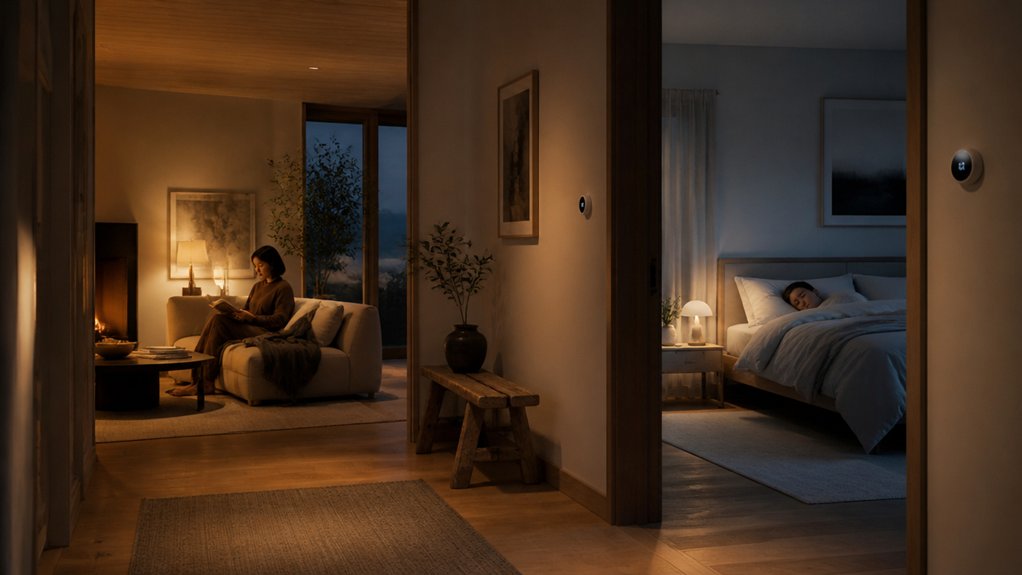
You warm the rooms you use, cool the ones you don’t, and let each space keep its own rhythm. With separate controls, zoned heating can soften a chilly bedroom, steady a drafty corner, and avoid pushing heat through the whole house. You may notice the difference in comfort first—and the quieter shift in energy use soon after. But whether zoning fits your home depends on what’s behind the walls.
How Does Zoned Heating Work Room by Room?
How does zoned heating work room by room? You divide your home into distinct areas, or zones, each served by its own thermostat and heating controls. A central system directs warmth through separate ductwork, valves, or circulators, depending on your equipment. When you adjust a thermostat in the living room, it signals the system to heat that zone without automatically calling for heat elsewhere. Closed dampers or valves limit flow to rooms that don’t need it.
Your layout shapes the setup: bedrooms upstairs, sunlit rooms, and additions may each warrant separate zones. Thoughtful sensor placement matters; keep thermostats away from drafts, direct sunlight, and heat-producing appliances. Your installer can match control strategies to your system, balancing zone boundaries, equipment capacity, and thermostat settings for precise operation.
How Can Zoned Heating Improve Comfort?
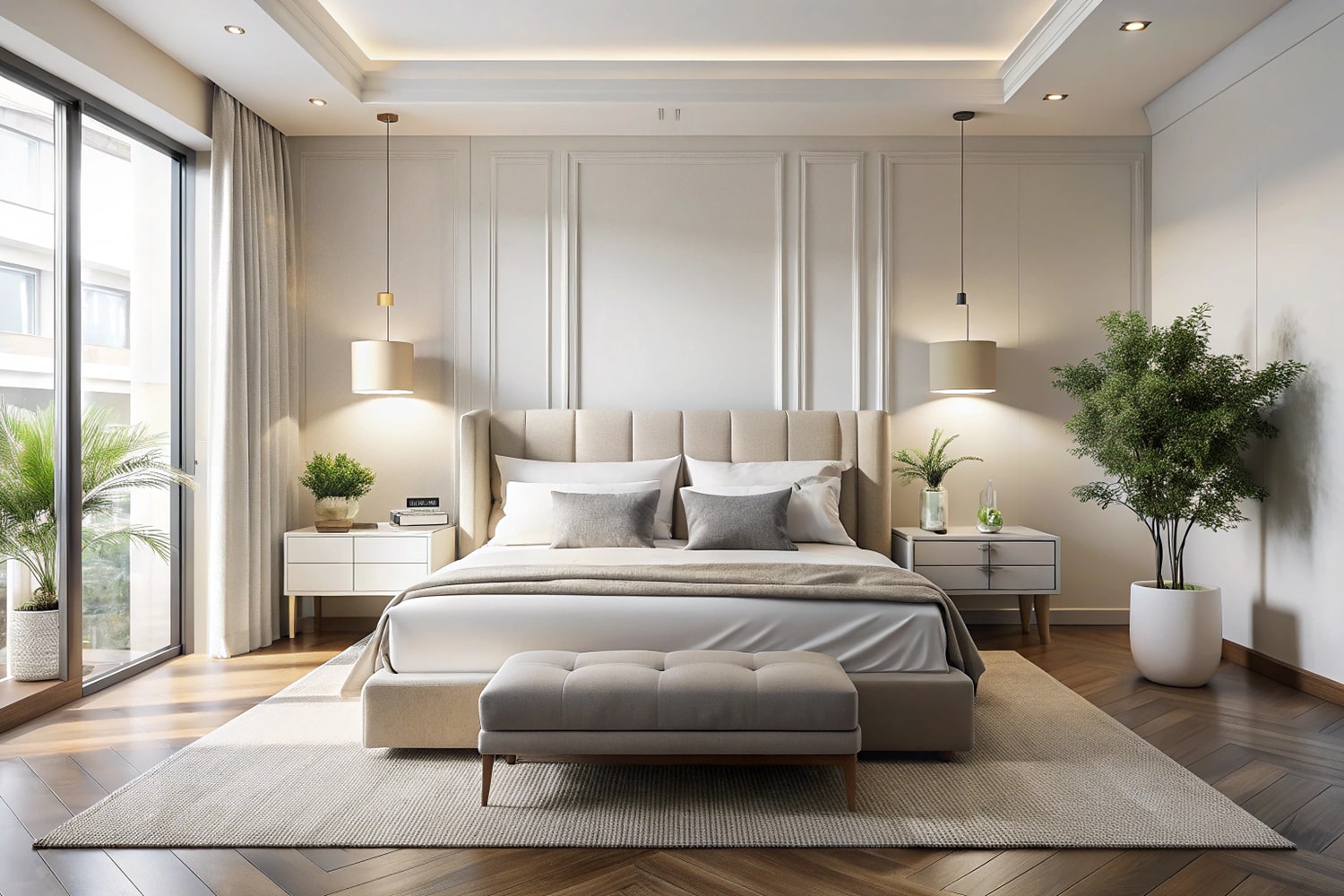
With zoned heating, comfort follows you from room to room instead of settling on one thermostat’s setting. You can keep the bedroom cool for sleep while warming the living room where you unwind. In a drafty corner office, a separate zone can soften the chill without overheating the rest of your home.
That control matters when sunlight, ceiling height, and window exposure make rooms feel different, even at the same temperature. Thoughtful thermostat placement helps each sensor reflect the space you actually use, rather than a hallway’s passing conditions. You’ll notice fewer hot-and-cold swings and less need to layer up in one room, then shed clothes in another. An energy auditing professional can identify comfort gaps and guide zone settings, so your home feels balanced across its distinct spaces and daily rhythms.
When Can Zoning Help Save Energy?
When does zoning save energy? When your household uses rooms differently throughout the day, zoning lets you heat occupied spaces without warming every corner. You can lower the temperature in a guest room, spare bedroom, or sunlit upstairs office while keeping the living room comfortable. That targeted control can reduce heating demand, especially when doors, schedules, and zone boundaries match how you actually move through the home.
Smart thermostats can coordinate schedules and adjust temperatures as rooms come into use, so you’re not heating empty spaces by habit. Pair those settings with energy audits to spot drafts, insulation gaps, or poorly sealed ducts that undermine savings. Zoning works best when you set practical temperatures and avoid sharp swings; steady, room-by-room adjustments help your system use less energy while keeping comfort where you need it.
Is Zoned Heating Right for Your Home and System?
Is zoning a good fit? Look at how you use each room, not just your home’s square footage. If you close doors between a sunlit upstairs bedroom and a shaded living room, separate temperature controls may help each space feel comfortable. Zoned heating benefits matter most when rooms have distinct schedules, exposures, or heating needs.
Your system must support the change. A technician should check your furnace or heat pump, ductwork, airflow, and controls before recommending dampers or additional thermostats. Poorly balanced ducts can restrict airflow, while an undersized system may struggle to serve multiple zones. Energy efficient zoning depends on thoughtful design, not simply adding controls. Ask for a load assessment and a clear installation plan. If your layout is open and temperatures already stay even, simpler adjustments may suit you better than zoning.