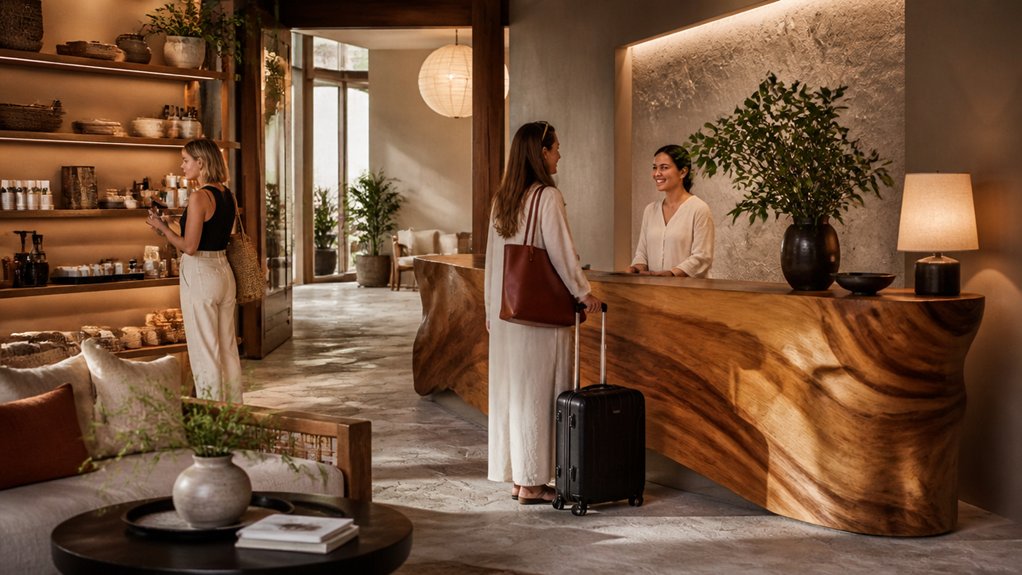
Imagine a hotel guest stepping through a clear, warmly lit entrance and spotting the reception desk without searching. That first moment can set the tone for every interaction that follows. When you shape sightlines, transitions, and small comforts around your customers’ needs, you make each visit feel easier and more personal. But loyalty often hinges on details guests notice only after they cross the threshold.
Map the Customer Journey Through Your Space
Where does a customer’s experience begin—and what guides them next?
Map each step through your space, from the first glance to the final interaction. Notice where customers pause, turn, browse, and ask for help. A clear path lets them move naturally without feeling rushed or unsure. Place signs where decisions happen, and keep sightlines open so customers can spot destinations, products, or staff.
Use lighting, color, texture, and sound to signal shifts between zones. Curated ambiance can make a lounge feel restful or a display area feel energetic, while Sensorial branding helps customers connect those moments with your identity. Give each transition a purpose: invite exploration, support comparison, or make checkout easy to find. When you understand how people move, you can shape a journey that feels intuitive, engaging, and distinctly yours.
Design a Welcoming Retail or Hospitality Entrance
A welcoming entrance gives customers an immediate sense of what to expect. As they cross the threshold, let them encounter a clear expression of your brand, from the welcome desk’s finish to the first products or seating in view. Keep the doorway open and uncluttered, so guests can enter without hesitation or feel crowded by displays. A warm greeting, a visible place to pause, and a thoughtful arrangement help visitors feel recognized rather than processed.
Choose tactile materials that invite a closer look: smooth timber, textured upholstery, or cool stone can make the space feel considered and comfortable. Use curated scenting sparingly, matching the aroma to your setting without overwhelming guests or competing with food and merchandise. These sensory details turn arrival into a personal welcome and give customers a reason to feel at home.
Use Layout and Lighting to Make Navigation Easy
Once guests feel welcomed, a clear layout helps them move through the space with confidence. Arrange aisles, seating, and service points so you can guide people naturally from one area to the next. A visible path reduces hesitation, while open sightlines let guests spot checkout counters, menus, or reception desks without searching. Use layout psychology to shape that journey: place popular destinations where they’re easy to find, and keep transitions uncluttered.
Lighting hierarchy can reinforce each cue. Brighten entrances, signs, and key destinations, then use softer, even illumination along routes. Avoid harsh glare and deep shadows that obscure steps, product labels, or faces. In a shop, focused light can distinguish displays from walkways; in a hotel or café, warm pools of light can mark seating zones. When you make movement intuitive, guests can focus on their visit, not finding their way.
Add Details That Make Customers Want to Return
Small details can turn a pleasant visit into one customers want to repeat. Set a small table near the window with a charging outlet within reach, or place a soft bench where you can pause without blocking the aisle. These thoughtful choices make comfort feel effortless.
Use materials and touches that suit your space: warm wood beneath your hand, clear signs at eye level, fresh greenery beside a café queue. When you notice what customers need, you shape a Customer Experience that feels personal, not staged.
Build Loyalty Triggers into the routine, too. Offer a convenient hook for a shopping bag, keep water accessible, or greet returning guests with genuine recognition. Each detail says you’ve remembered how people move, wait, and settle in. Customers leave feeling considered—and have a reason to come back.