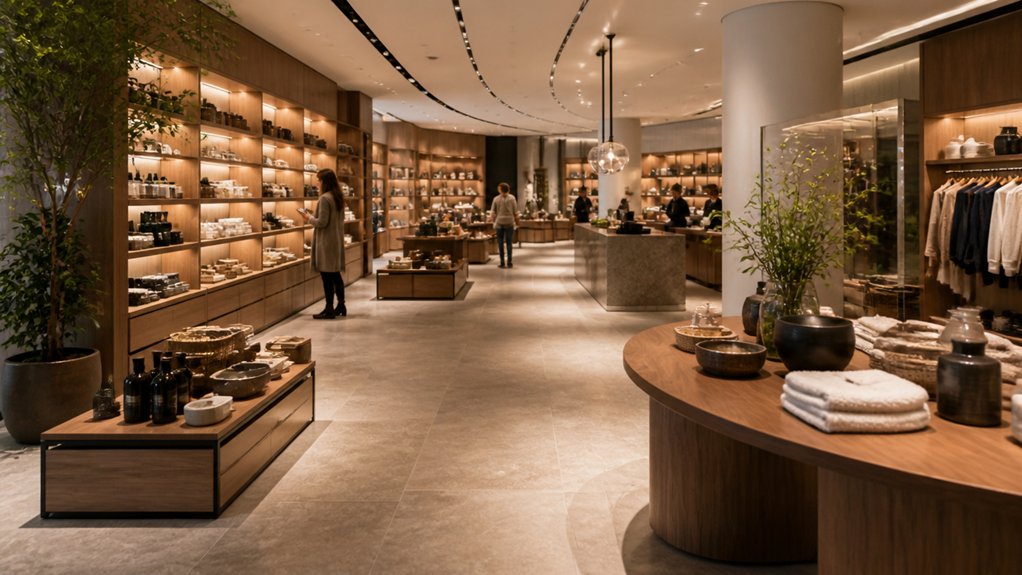
Your store’s layout acts like a quiet guide, shaping each shopper’s path from the entrance to checkout. When you clear sightlines, keep aisles comfortable, and place displays along natural routes, you make browsing easier and help customers find useful, complementary items. Signs and lighting can draw attention without interrupting movement, while traffic data shows where your plan works—or where it creates friction. The smallest adjustment may change how shoppers experience the entire space.
Assess Your Store Space and Shopper Flow
Start by mapping your store’s dimensions, entrances, checkout, fixtures, and other fixed features. Then observe how shoppers move through the space: where they pause, turn, browse, and head next. Track these patterns at different times and note how product placement, sightlines, and displays influence their choices.
Use your findings to guide store segmentation, grouping merchandise into areas that support your customers’ needs and shopping goals. Position high-interest products where shoppers can notice them naturally, and place complementary items nearby to encourage discovery. Consider impulse zones near the checkout or along common paths, using them for relevant, easy-to-grasp purchases.
Review the layout from your customers’ perspective, including what they can see upon entry and how each area connects. Adjust placements based on observed behavior, sales data, and customer feedback, then reassess regularly.
Keep Store Aisles Clear and Easy to Navigate
Clear aisles help shoppers move comfortably, find products, and navigate your store without interruption. Keep pathways wide enough for two customers to pass, including people using mobility aids or pushing strollers. Check that corners, entrances, and checkout approaches remain unobstructed, and leave room for shoppers to pause without blocking through traffic. Place baskets and carts where customers can reach them without narrowing walkways. Review floor transitions, cords, and temporary signs to prevent trip hazards. Consider how storefront acoustics affect comfort: noise from the entrance can make a crowded route feel more stressful. Coordinate vent placement with shelving and ceiling features so airflow stays comfortable without creating obstructions. Walk your aisles regularly from a shopper’s perspective, and adjust spacing when fixtures, deliveries, or seasonal changes reduce clear passage.
Position Displays Along Shopper Paths
Place displays where shoppers naturally slow down or turn, rather than in the middle of a busy aisle. These transition points give customers room to notice products without interrupting the flow of traffic. Position featured items near path edges, corners, or wider areas where people can pause comfortably. Keep each display within easy reach, but leave enough space for shoppers to pass, browse, and move on without crowding others.
Use display optimization to match placement with how customers move through your store. Put complementary products along routes shoppers already take, and reserve high-traffic stretches for clear passage. Consider sightlines from entrances and aisle intersections, so displays feel accessible rather than obstructive. Thoughtful visual merchandising can make browsing more intuitive while preserving a calm, open layout. Review customer movement regularly, and adjust placements when congestion or overlooked products suggest a better position.
Use Signs and Lighting to Guide Browsing
Signs and lighting can guide shoppers through your layout without interrupting the flow of traffic. Use clear Signs and Lighting to make departments, service points, and key products easy to find from main aisles. Place directional signs where shoppers naturally pause or choose a route, keeping them visible without narrowing walkways or blocking displays. Keep wording brief, use consistent symbols, and position signs at a comfortable viewing height.
Lighting can draw attention to featured merchandise and create visual cues that lead customers deeper into the store. Highlight focal displays, then maintain even illumination along connecting paths so shoppers can move confidently between zones. Avoid glare and abrupt contrasts that make products harder to see. This thoughtful Shopper Guidance helps customers browse at their own pace while preserving clear sightlines and comfortable circulation throughout your space.
Track Store Traffic and Refine Your Layout
Track how shoppers move through your store to see whether your layout supports easy browsing. Observe where customers pause, turn back, or bypass displays, and note how queues affect nearby aisles. Use traffic analytics from sensors, cameras, or staff observations to identify busy zones and overlooked areas. Compare patterns across days and times so you can distinguish routine movement from temporary spikes.
Then test focused changes. Shift a fixture, widen a pinch point, or reposition a popular product to improve circulation without disrupting clear sightlines. Track layout optimization by measuring dwell time, conversion, and movement before and after each adjustment. Ask customers and staff what feels confusing or crowded, too. Keep changes that make browsing easier and product discovery more natural; revise those that create new bottlenecks. Regular review helps your floor plan respond to real behavior, not assumptions.