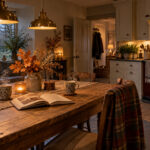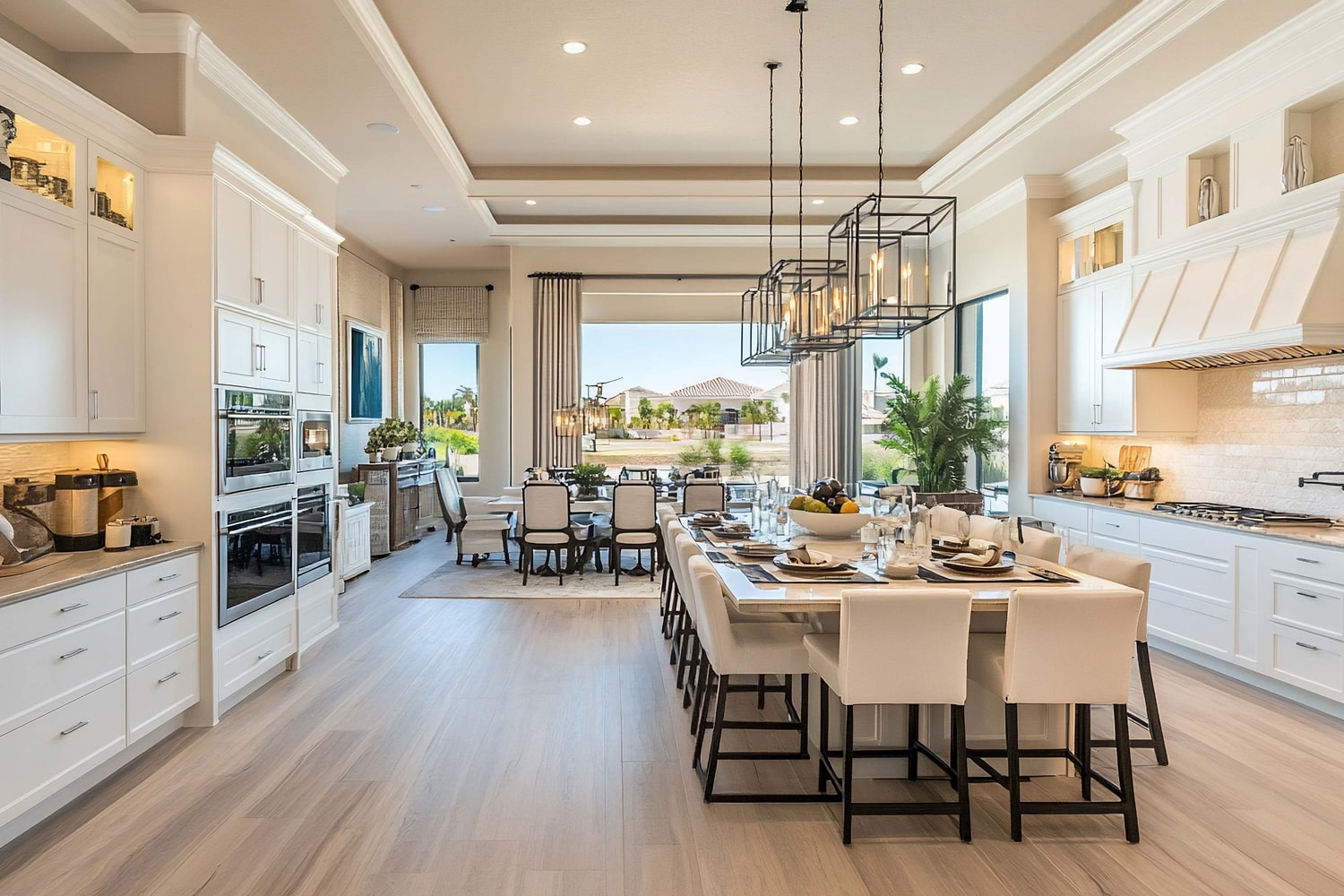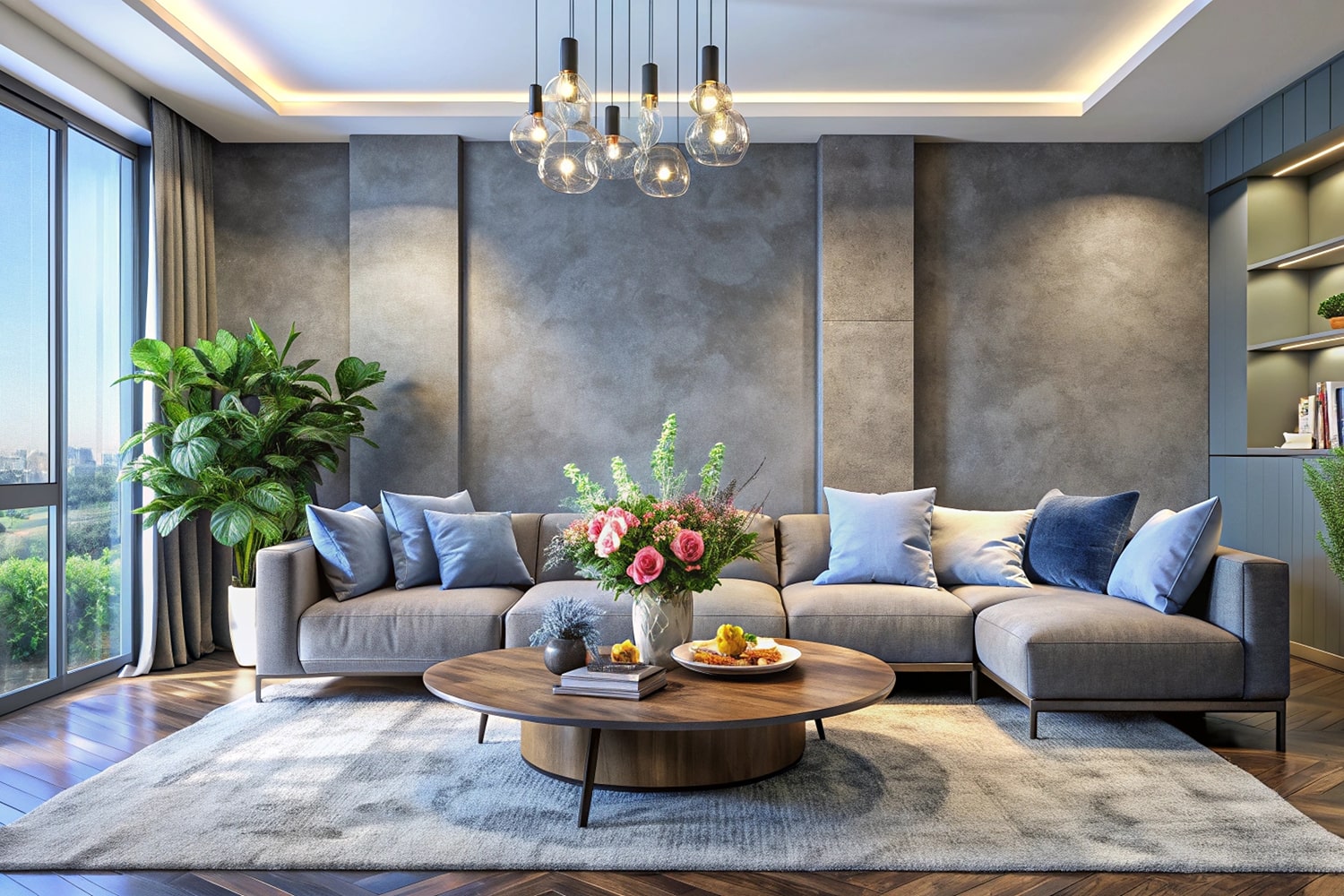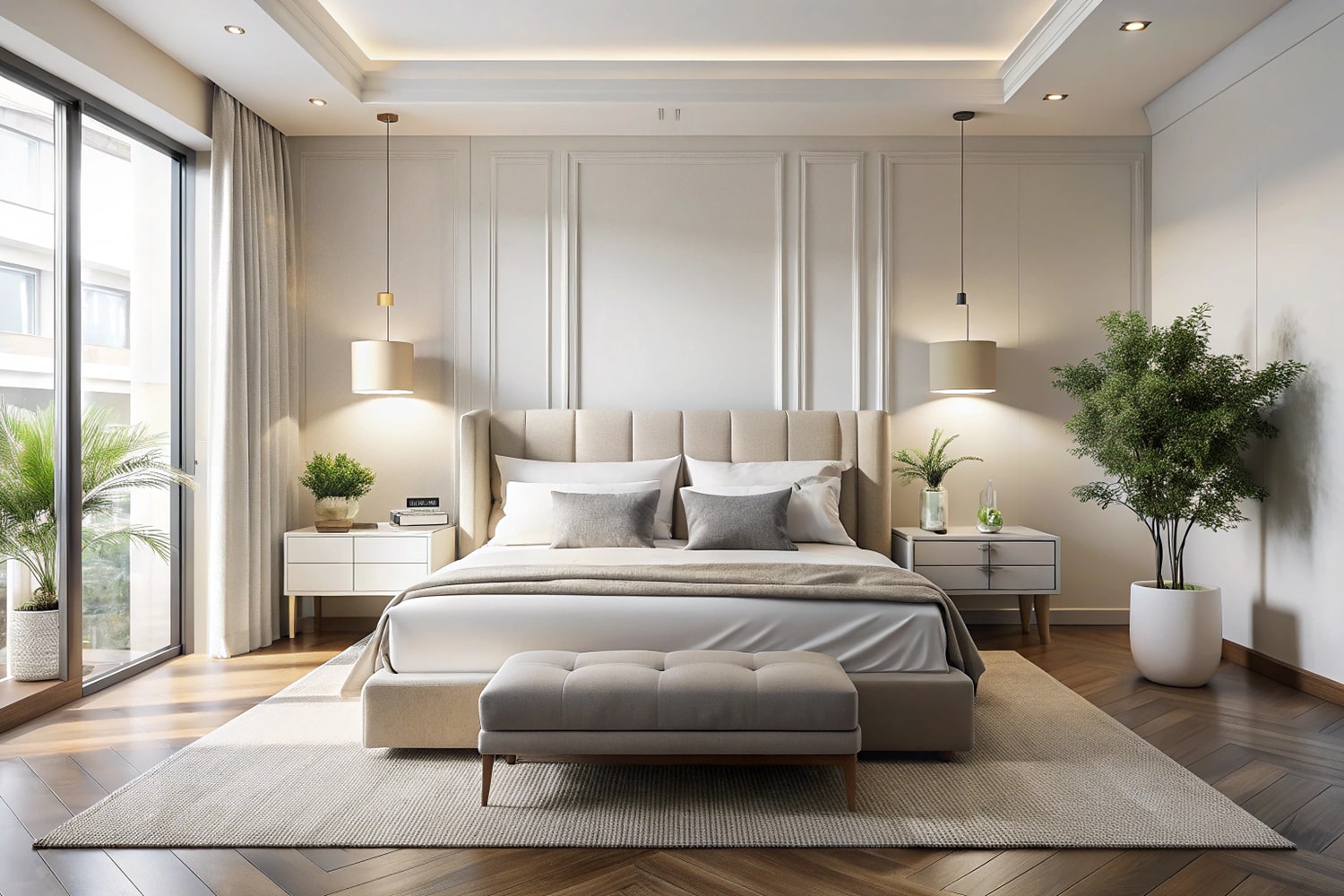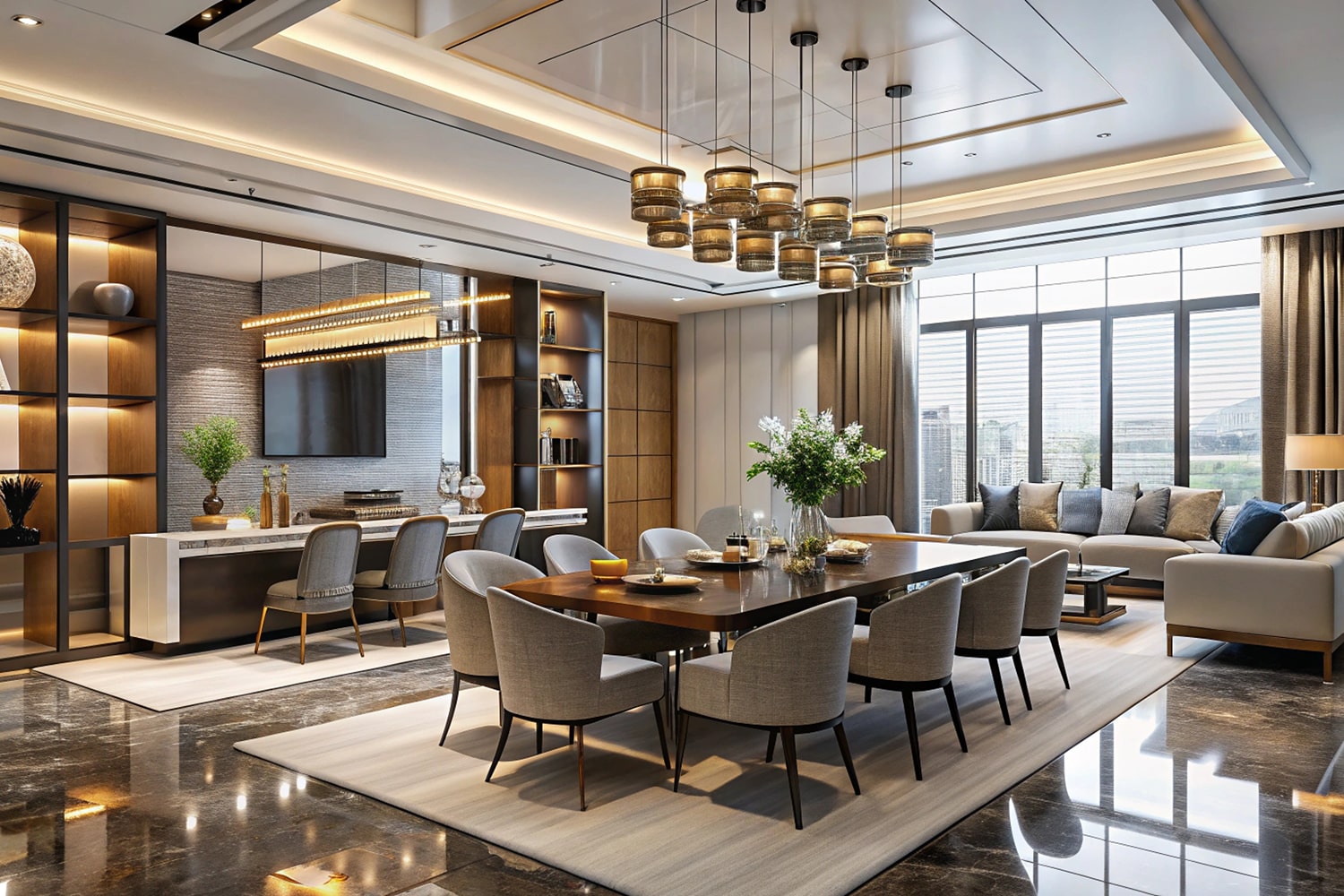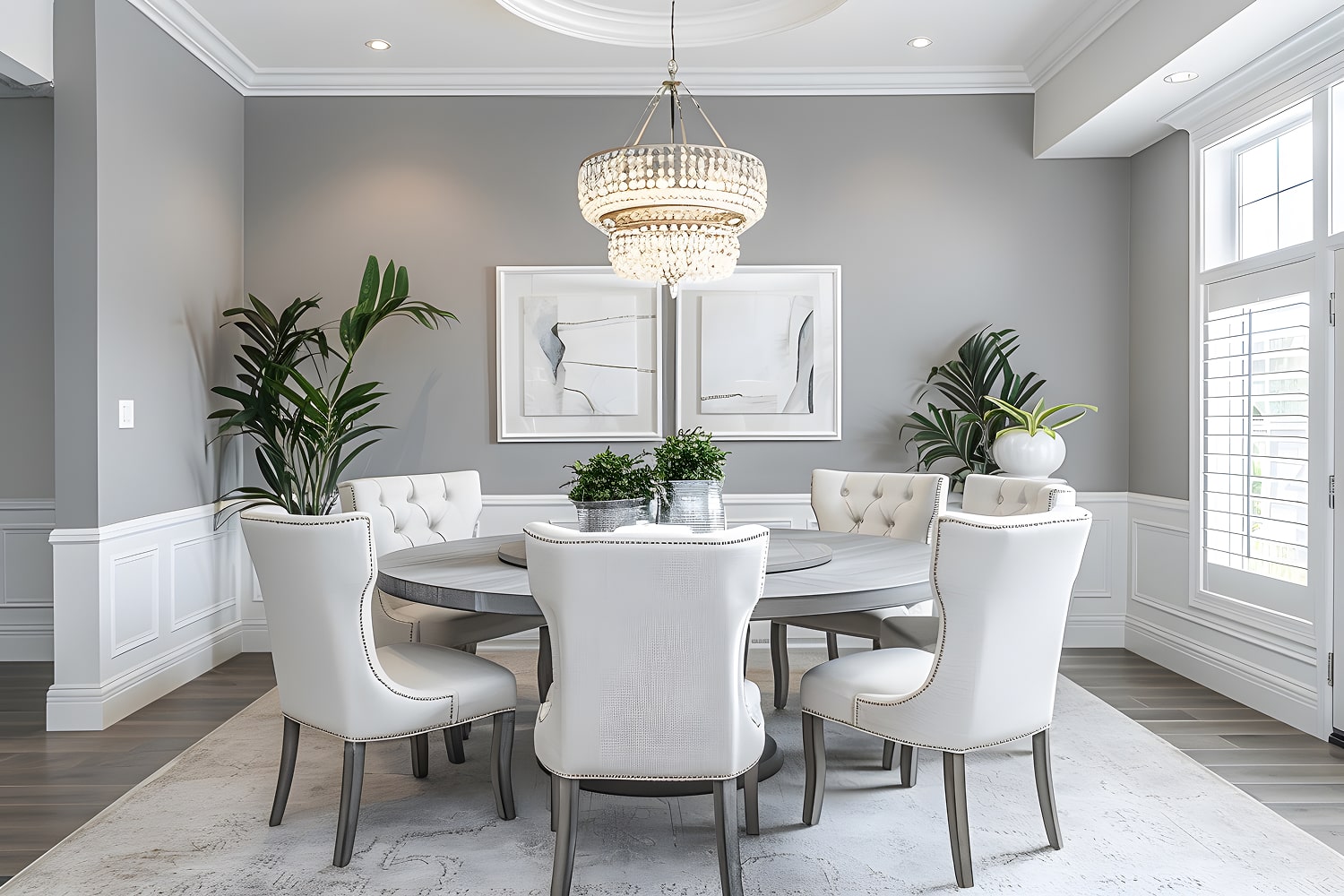

Pairing vintage finds with contemporary furniture isn’t about making every piece match; it’s about giving each one a reason to belong. Start with a shared purpose or visual weight, then let one piece lead while repeated shapes, finishes, or textures create cohesion. A restrained palette helps different eras feel at ease, but scale and breathing room matter just as much. The right lighting, art, and accents can bring the mix together—and one common mistake can quickly undo it.
Pair Vintage and Modern Furniture With Confidence
How do you pair vintage and modern furniture without making a room feel mismatched? Start by choosing pieces that share a purpose, scale, or visual weight. A sculptural midcentury chair can balance a streamlined sofa, while an antique side table adds character beside a contemporary bed. You don’t need every item to match; you need each one to feel intentional.
Let one piece lead, then give it room to stand out. If your vintage cabinet has ornate details, pair it with simpler furnishings rather than competing statement pieces. Repeat a shape, material, or finish elsewhere to create subtle links and guide the eye. These timeless contrasts bring depth without clutter. With thoughtful placement and a few deliberate echoes, you’ll build curated cohesion that feels personal, not staged.
Choose Colors That Connect Different Eras
Once the furniture feels intentional, use color to tie its different eras together. Start with a restrained foundation: warm white, soft gray, or a muted earth tone can give vintage wood and contemporary finishes common ground. Then choose one or two accent colors that appear in both periods, perhaps in a vintage rug and a modern lamp. These echoes make the room feel composed without forcing every piece to match.
Timeless palettes don’t mean playing it safe. A deep blue beside aged brass, or terracotta against crisp black, creates era spanning contrasts with purpose. Let the colors repeat in small, deliberate doses so each object contributes to the whole. If a vintage piece has a distinctive hue, borrow it for a contemporary detail; you’ll connect the eras while preserving each piece’s character.
Balance Furniture Scale and Texture
Scale can bridge different eras as effectively as color: pair a substantial vintage cabinet with a lighter contemporary chair, or balance a sleek sofa with a generously sized antique table. Let each piece have room to register; crowding can make a thoughtful mix feel accidental. If your furniture shares similar proportions, create interest through texture layering instead. Combine smooth upholstery with grainy wood, polished metal with nubby fabric, or a crisp modern surface with the patina of an older piece. A tiny contrast in finish or tactile quality can keep the arrangement from feeling too matched.
You don’t need every material to compete: repeat one texture to connect the pieces, then let another provide distinction. By balancing visual weight and touch, you’ll create a room that feels cohesive without erasing each item’s character.
Add Vintage Lighting, Art, and Accessories
Vintage lighting, art, and accessories can bring an eclectic furniture arrangement into sharper focus. Choose a sculptural pendant or patinated table lamp to add character beside streamlined contemporary seating. If you prefer contemporary lighting, let its clean silhouette contrast with a vintage piece’s aged finish, rather than competing for attention.
Hang art at eye level, and consider how its colors connect the room’s upholstery, wood tones, and metal details. A single large work can anchor a wall; a carefully edited gallery can make a more personal statement.
Use art and accessories to introduce bold accents, but repeat a hue or material elsewhere so the mix feels intentional. You don’t need every object to match. Give each piece breathing room, and your collected layers will feel cohesive, not crowded.