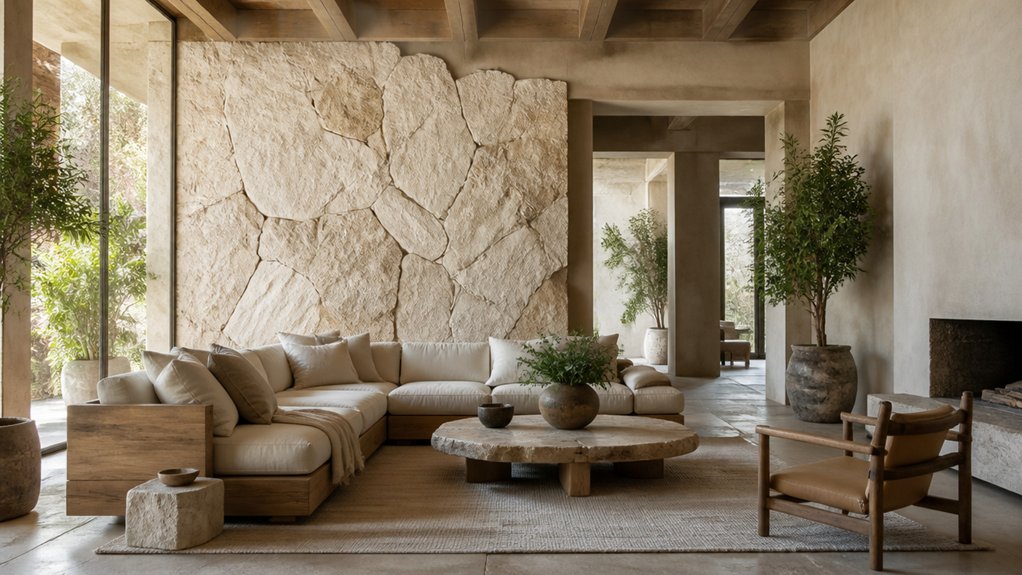
A vein of stone can serve as a quiet record of the landscape, bringing its depth into your home. When you pair raw stone with clay’s mineral softness and timber’s warm grain, you create rooms that feel grounded without losing refinement. The key is to let one texture lead while the others support it, then shape the balance with light and greenery. Each material responds differently as the day shifts—and that’s where thoughtful choices begin.
Choose Materials for Biophilic Luxury
Choose natural materials for their tactile character as much as their appearance. Evaluate stone textures in changing daylighting: veining, grain, and subtle variation give each slab a distinct presence. Clay finishes lend walls a soft, mineral depth, while timber tones introduce warmth through visible grain and carefully chosen cuts. Look for natural patinas that will age gracefully, and select earthy palettes that complement rather than conceal these qualities.
Run your hand across samples to assess tactile surfaces, then compare fabric swatches for color and texture. Consider acoustic effects, since hard stone and timber can reflect sound differently from porous clay. Prioritize sustainable sourcing and handcrafted details that reveal skilled work without appearing overly polished. Finally, note how indoor greenery will relate to each material’s color, texture, and finish before making your selections.
Balance Natural Materials in Each Room
How can you balance raw stone, clay, and timber without making a room feel visually busy? Give each material a distinct role, then control how much visual attention it receives. Let one surface provide the dominant texture; use the others in quieter tones, finer patterns, or smaller accents. For effective stone coordination, compare undertones before pairing finishes: cool gray stone can sharpen pale timber, while warm limestone often complements honeyed wood and muted clay. Repeat a color or finish subtly to connect the palette, but avoid matching every surface. Timber harmony depends on proportion as much as hue, so vary grain scale and keep competing patterns apart. You’ll create depth by balancing roughness with restraint, leaving clear areas for the eye to rest and allowing each natural material to retain its character.
Use Stone, Clay, and Timber Room by Room
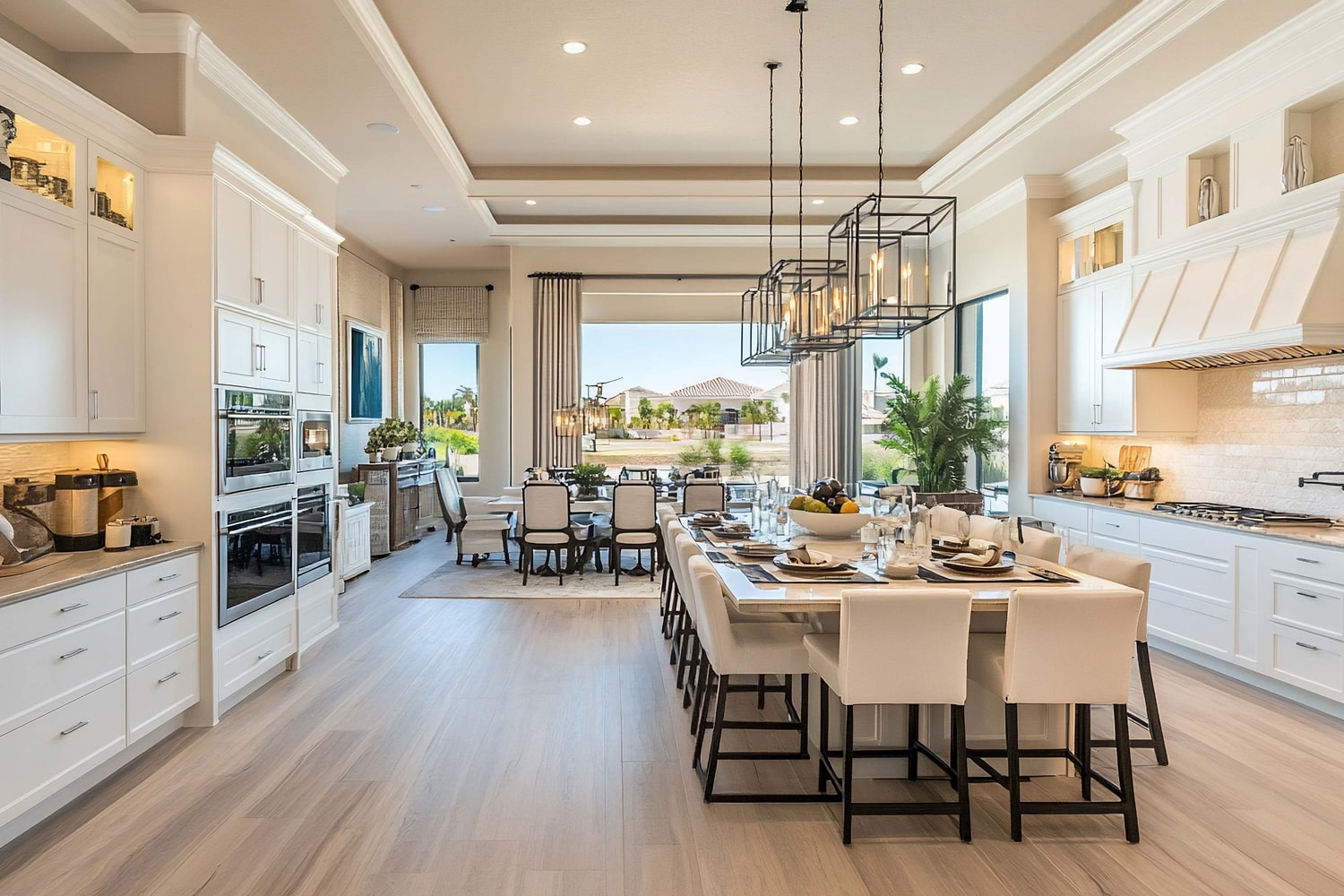
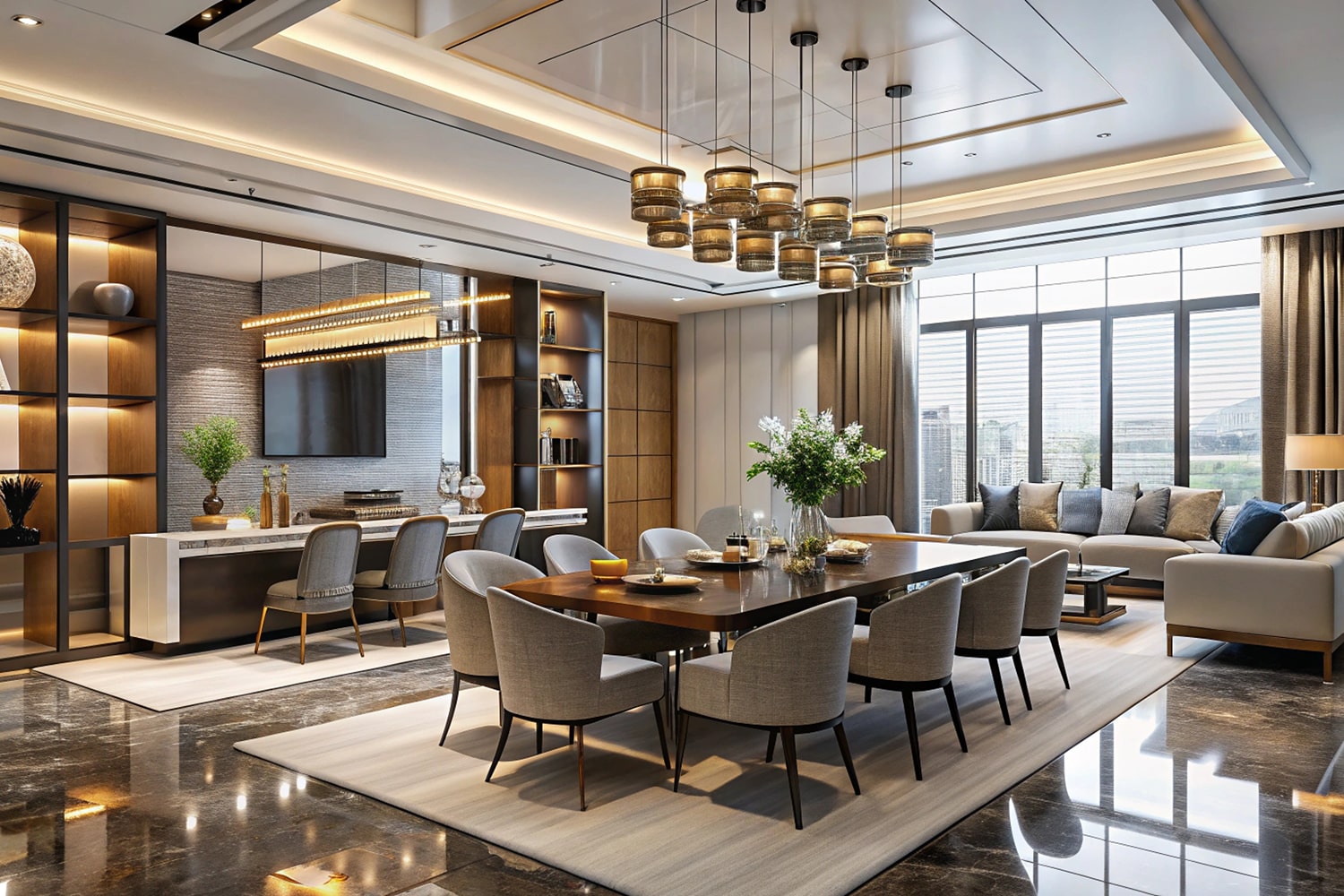
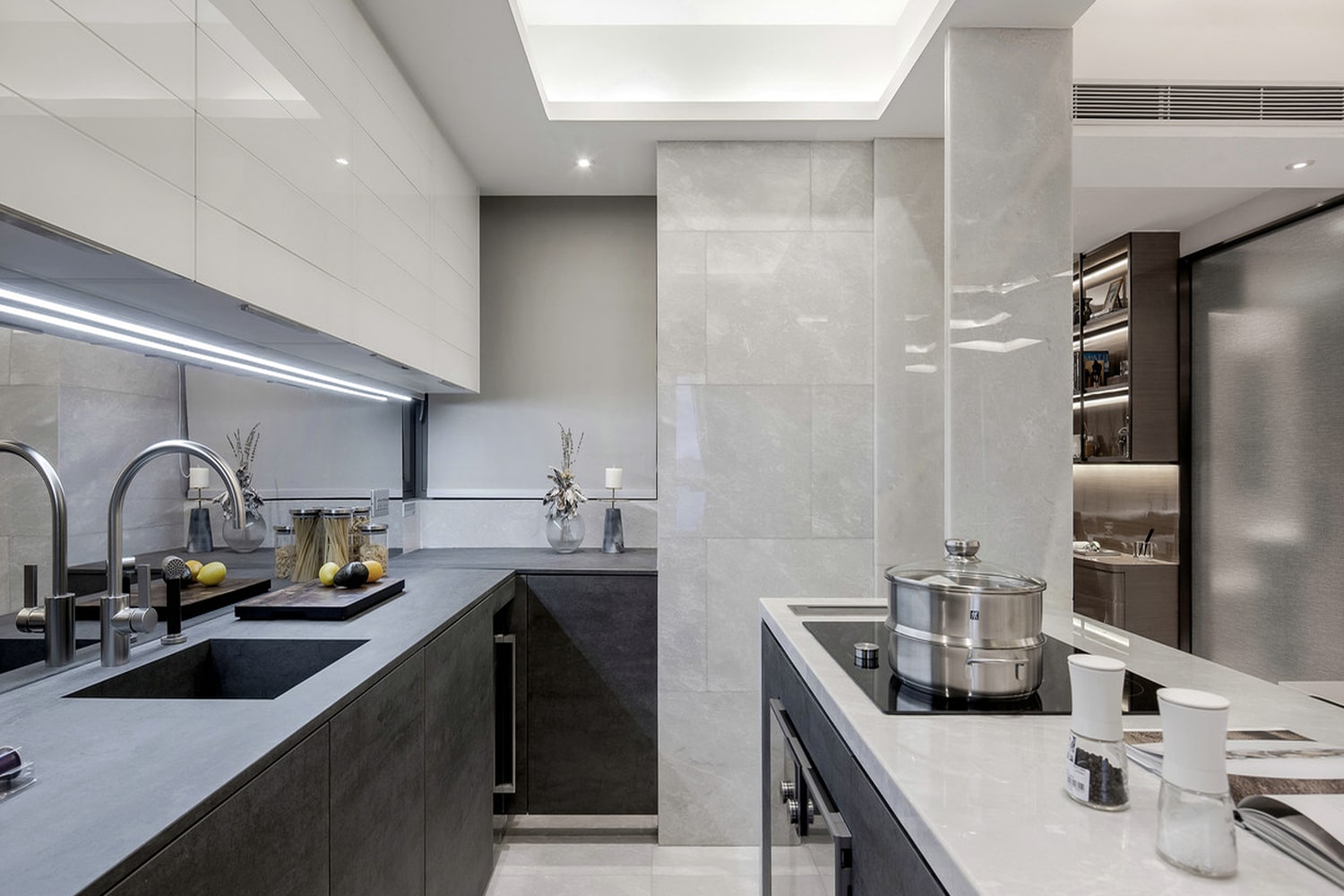
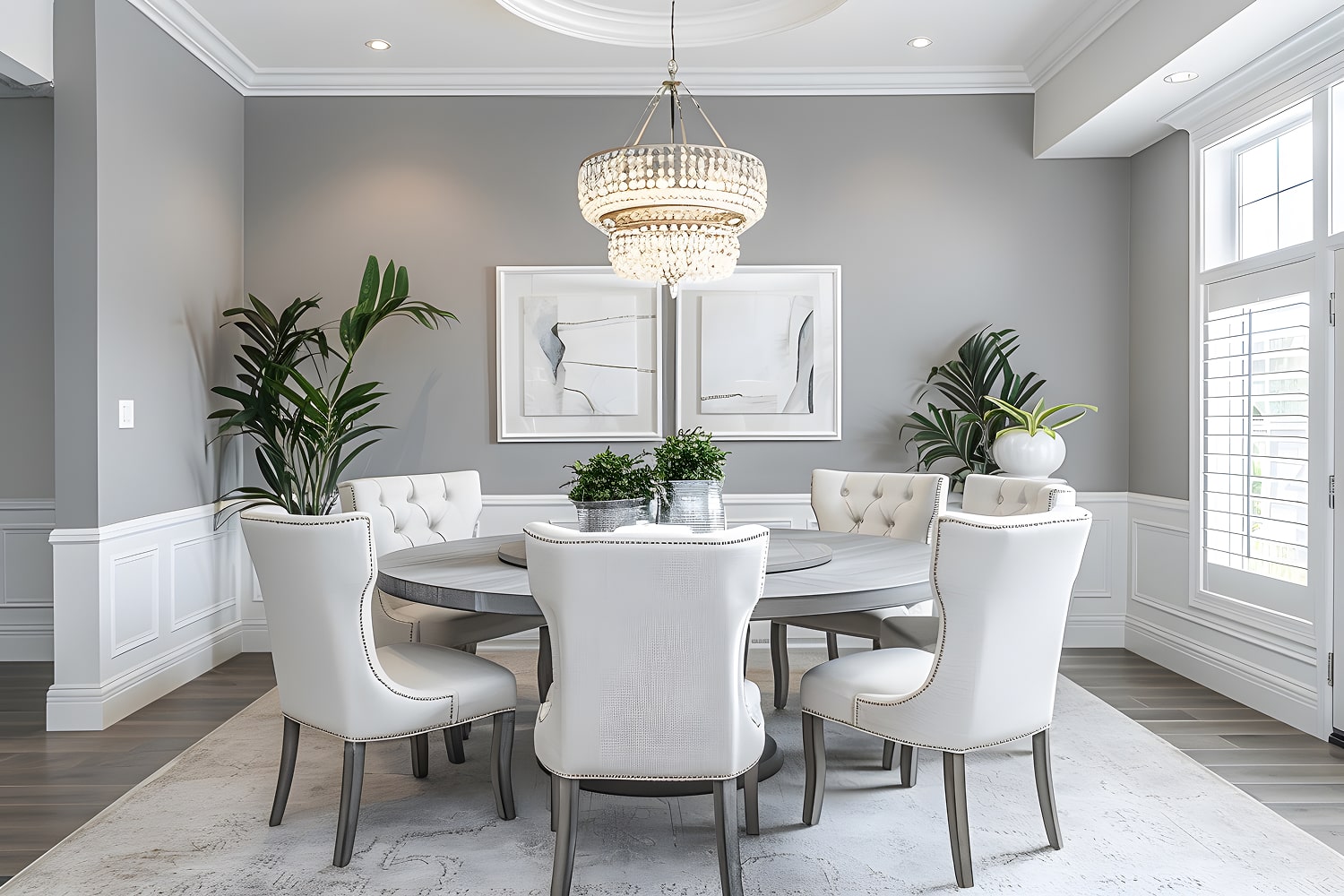
Room by room, assign stone, clay, and timber roles that suit each space’s function and light. In the kitchen, use durable stone textures for counters or a backsplash, then introduce timber cabinetry to temper their visual weight. Choose clay finishes for dining areas, where a mineral surface lends quiet depth without competing with daily use.
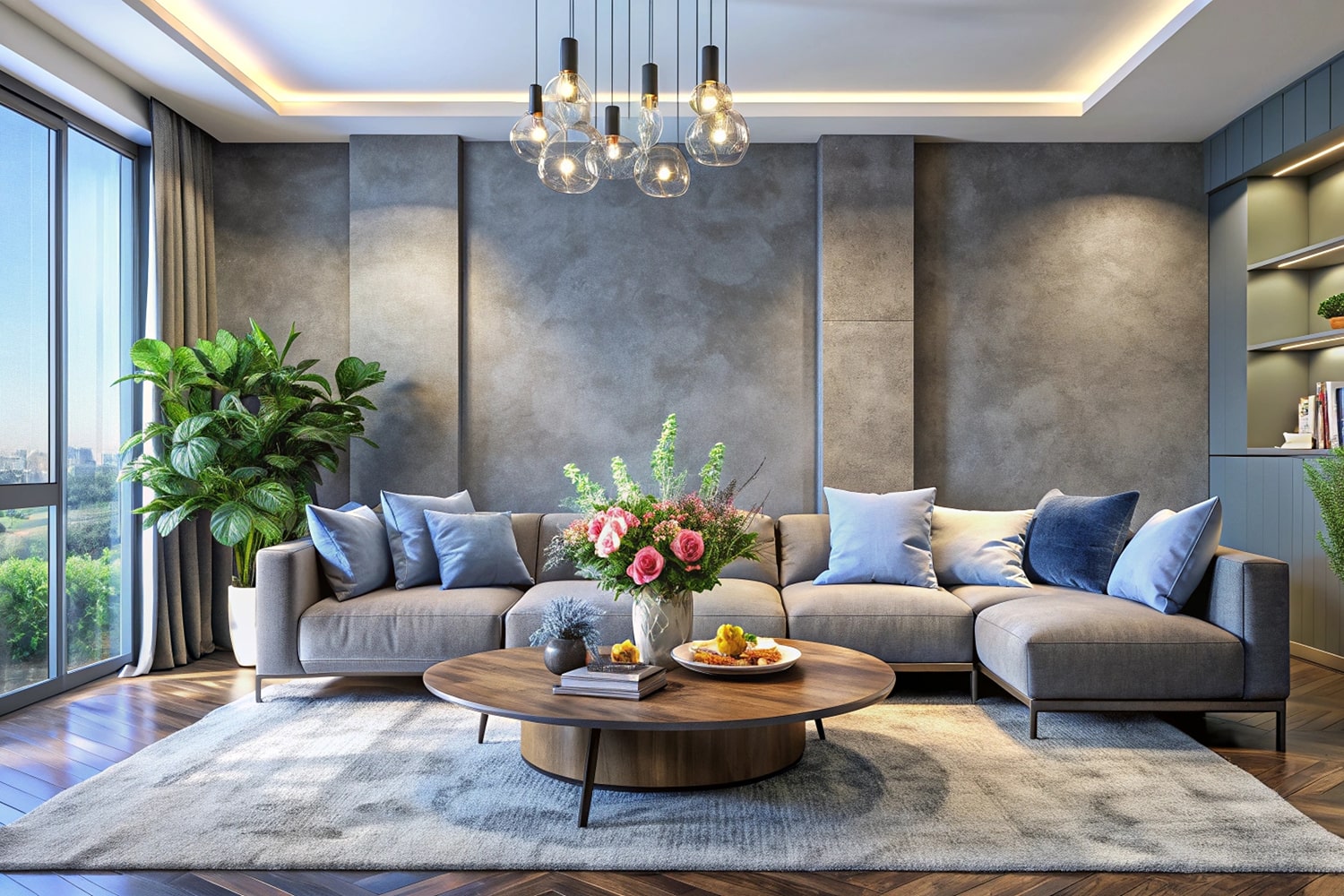
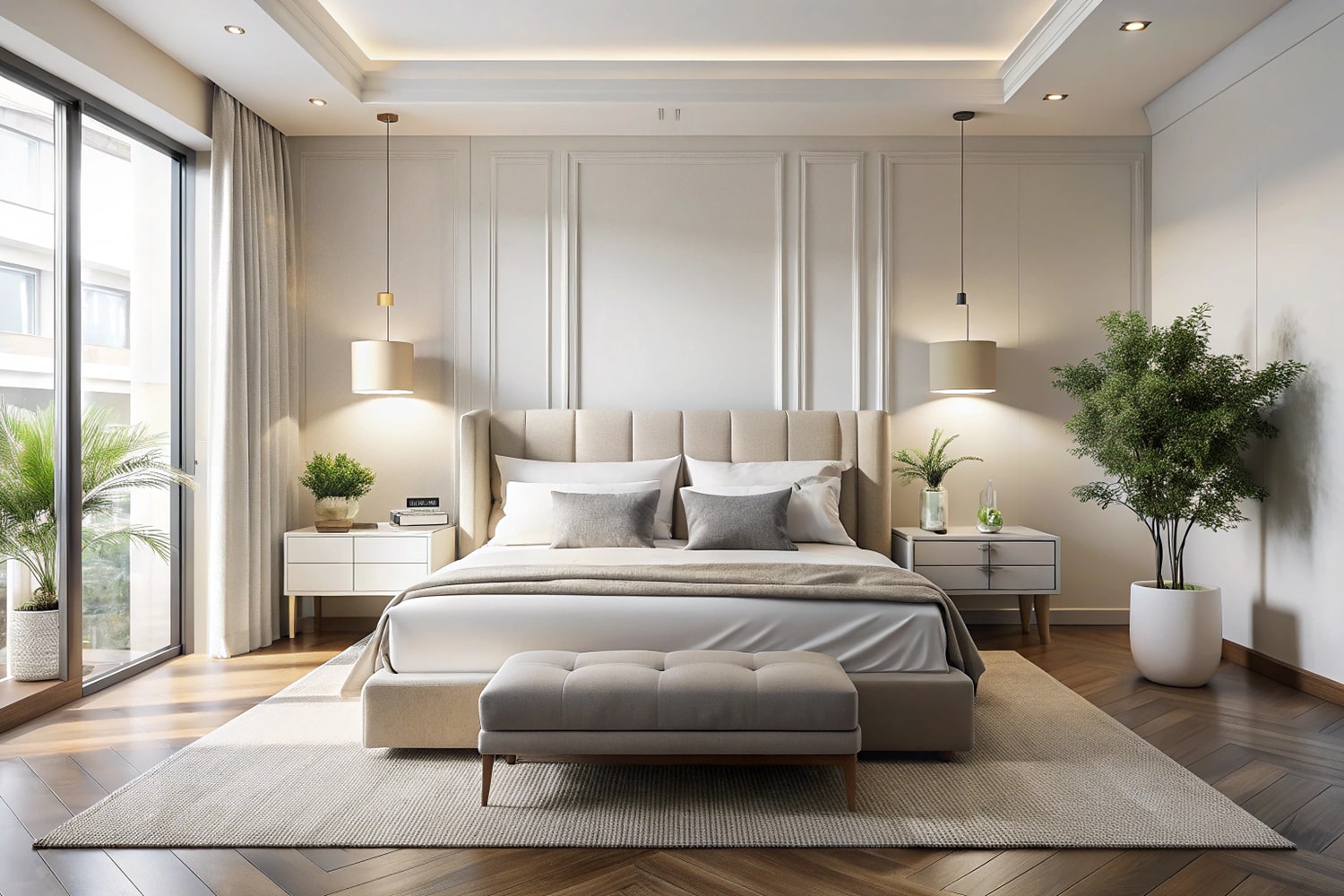
In the living room, let timber shape built-ins or flooring, and reserve stone for a fireplace or architectural accent. In bedrooms, keep materials tactile but restrained: a clay-plastered wall can establish a calm backdrop, while timber adds warmth through a headboard or storage.
A room by room analysis helps you judge proportion, upkeep, and continuity. Consider timber gradation—from pale, fine-grained boards to darker, more pronounced species—to distinguish spaces while preserving a coherent material language throughout your home.
Add Light, Textiles, and Greenery
Once stone, clay, and timber establish the room’s character, light, textiles, and greenery bring those surfaces into balance. Layer natural and architectural illumination: combine daylight, discreet wall washers, and warm task lighting to reveal texture without flattening it. Thoughtful light integration lets you shift the mood while preserving the materials’ nuanced tones.
Use textiles contrast to soften hard edges and add tactile depth. Choose linen, wool, or woven cotton in restrained hues, balancing plush upholstery against rough stone and visible timber grain. Keep patterns subtle so the materials remain central.
Plan greenery placement around available light, sightlines, and scale. A sculptural tree can anchor a corner; smaller leafy plants enliven shelves or a clay vessel. Select species suited to each room’s conditions, and leave breathing space around every element. This measured layering creates comfort without obscuring the architecture.